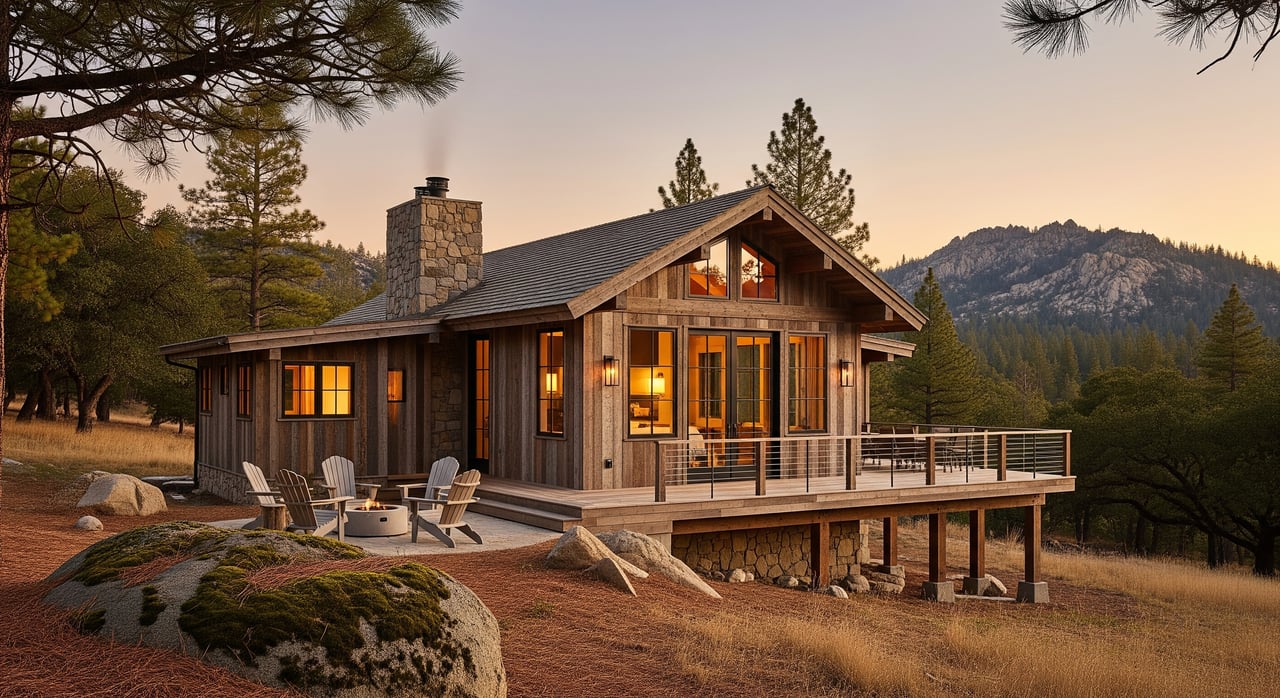
Looking for a cabin in the Sierra foothills and torn between Twain Harte and Mi Wuk Village? You are not alone. Each community offers a different feel, cost profile, and set of practical considerations that matter a lot once you own the place. In this guide, you will learn how each town stacks up for vacation use, year‑round living, or short‑term rental potential, plus the key checks that protect your budget and peace of mind. Let’s dive in.
Quick snapshot: best fit by goal
- Vacation or second home: Twain Harte offers a more “in‑town” vibe with cafés, shops, and community events. Mi Wuk Village leans quieter and more forested, often at lower price points depending on the market.
- Year‑round living: Twain Harte typically makes daily life easier thanks to its services and shops. Mi Wuk residents often rely on nearby towns for groceries, dining, and services.
- Short‑term rental: Twain Harte’s amenities can support guest demand. In both towns, confirm county and community rules, permitting, parking, and occupancy standards before you buy.
Living and amenities
Twain Harte feel
Twain Harte is a historic resort hub with a small commercial core and a strong community identity. You will find cafés, shops, a town green, and seasonal events that make it feel lively. Neighborhoods near the center tend to have smaller lots and older cabins with a classic cottage look. Some pockets offer sewer service, which can simplify future improvements.
Mi Wuk Village feel
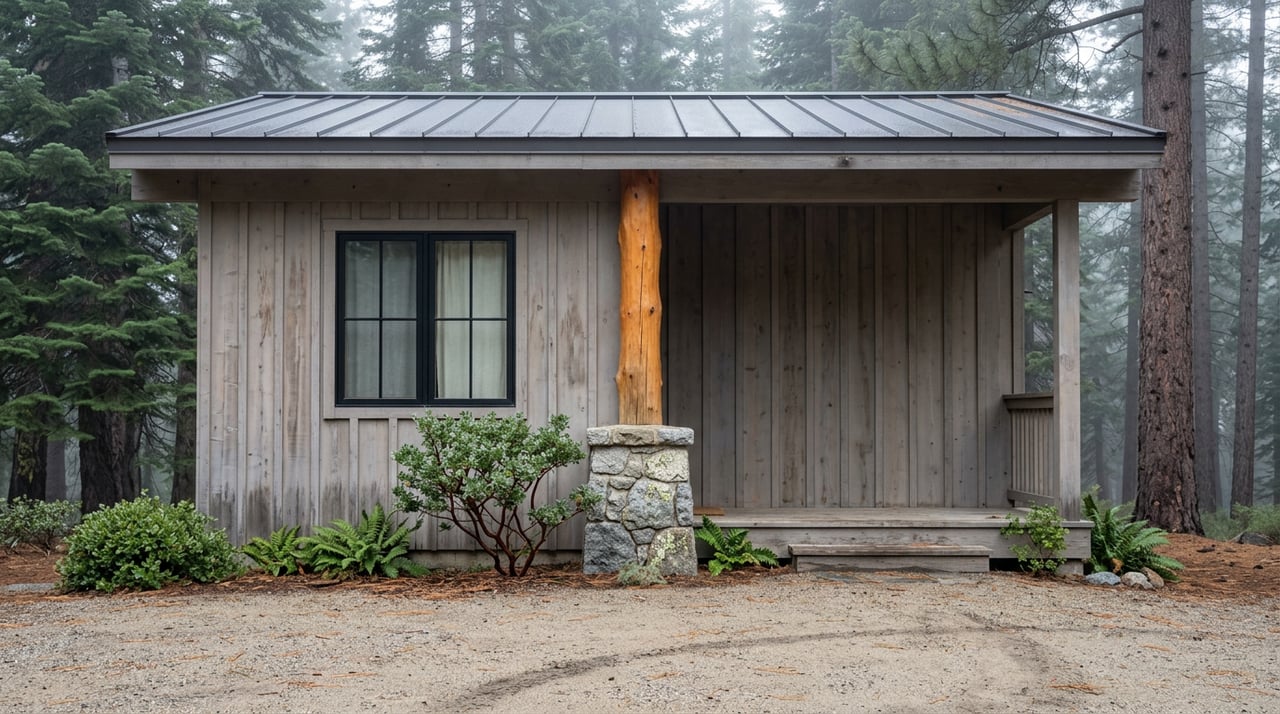
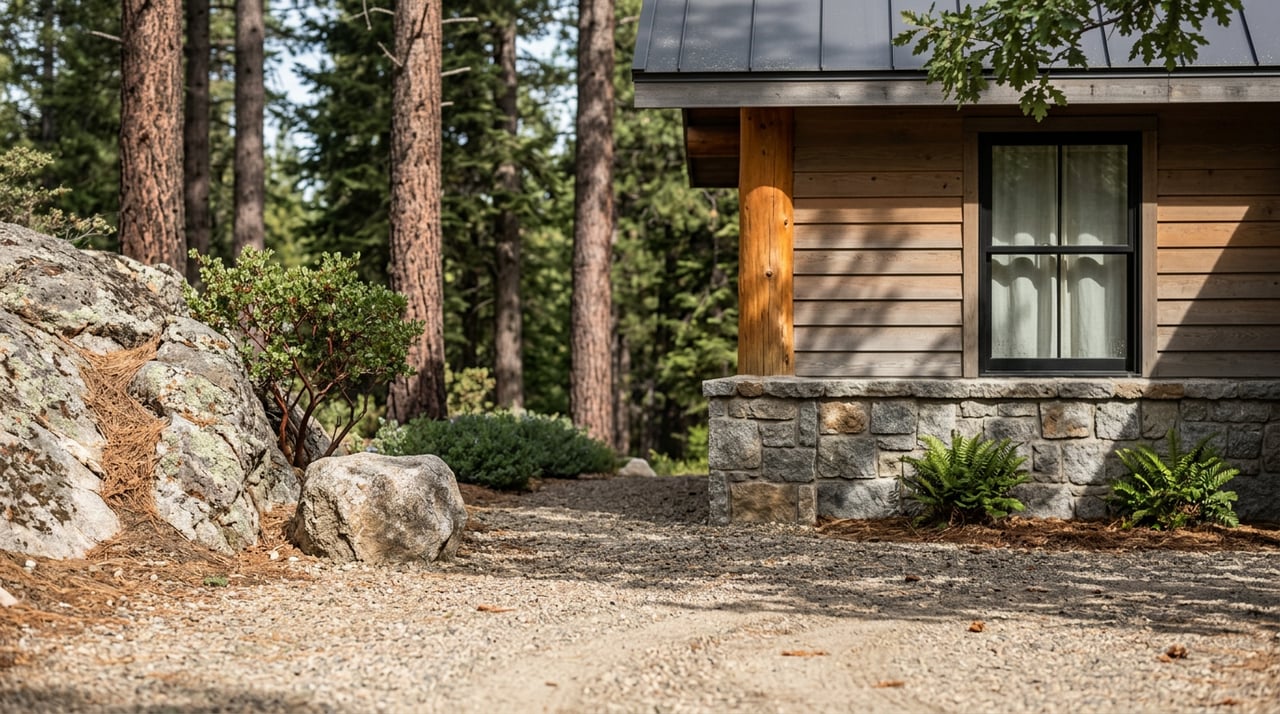
Mi Wuk Village is smaller and more residential. Many properties sit among tall pines with more space and a quiet, rustic feel. It has limited in‑community commercial development, so you will likely drive to Twain Harte or Sonora for most errands. If you want tranquility and a tucked‑in‑the‑woods setting, Mi Wuk often fits the bill.
Costs and financing basics
How cabins affect financing
Cabins with private wells and septic systems or properties used as vacation or rental homes can be under different lending guidelines. Expect potential for larger down payments, different underwriting, and stricter appraisal standards. If you plan to rent short term, ask lenders early about their requirements and whether you need a specialized loan product.
A local mortgage pro familiar with rural and mountain properties can save you time and surprise costs. Start those conversations before you tour seriously so you know your financing path.
Property taxes and assessments
California’s property tax framework follows Proposition 13. Annual taxes are typically about 1 percent of assessed value plus local assessments and special districts. Always confirm any parcel‑specific assessments and utility district fees with the Tuolumne County Assessor and the relevant service districts when you identify a property of interest.
Insurance in fire‑prone areas
Both Twain Harte and Mi Wuk Village sit in regions with elevated wildfire risk, which can affect availability and premiums for homeowner’s insurance. If standard carriers will not cover a specific address, you may need a high‑risk policy or the last‑resort California FAIR Plan. Getting quotes early is smart, and you should ask insurers about mitigation credits and any lender requirements. Review Cal Fire’s Fire Hazard Severity Zone mapping to understand a property’s location relative to higher hazard areas.
- Review hazard zones with Cal Fire’s Fire Hazard Severity Zone maps.
- Learn the basics of defensible space rules under California Public Resources Code Section 4291.
- Explore last‑resort coverage at the California FAIR Plan.
Infrastructure you must verify
Water and sewer details
Cabins may be served by a community water/sewer system or by a private well and septic. What you have on site changes costs, permitting, and future plans. If a property is on well and septic, request the well log, recent yield and water quality tests, and septic permits and pumping records. Confirm leach field location, capacity, and whether the system supports additional bedrooms.
- Check septic and well records with Tuolumne County Environmental Health.
- For properties that may be within a service area, review coverage and rates with the Twain Harte Community Services District.
Broadband and utilities
Internet and cell service can be spotty in both towns. Many owners rely on satellite or fixed‑wireless options. Always confirm coverage by address. For electrical service, verify connections and any overhead line easements. If the property uses propane, inspect tank ownership and condition.
Permits, additions, and conversions
Any remodel, addition, or conversion to rental use requires county permits and code compliance. Before you write an offer, ask for a permit history and verify any outbuildings or added rooms. If you plan upgrades to well or septic, you will coordinate with both Building and Environmental Health.
- Start your due diligence with the Tuolumne County Building Department and Planning Department.
Safety, access, and hazards
Wildfire and defensible space
You must understand the property’s position relative to fire hazard zones. Owners are often required to maintain defensible space around structures. This can include vegetation clearance, ember‑resistant vents, and fire‑safe roofing. Factor in the time and budget for ongoing vegetation management.
- Review defensible space standards in PRC 4291.
- Use Cal Fire hazard mapping to understand parcel context.
Flooding and slope
While wildfire is top of mind, flood risk and slope stability also matter. Check FEMA Flood Insurance Rate Maps for the parcel. On steep sites, look for any past geotechnical reports. Drainage patterns, culverts, and retaining walls can be important to long‑term maintenance.
- Check flood zones at FEMA’s Flood Map Service Center.
Road access and winter service
Ask whether your road is public or private, who maintains it, and how snow removal is handled. Private roads may require shared maintenance agreements and owner dues. If you plan year‑round use, test drive typical routes to groceries, healthcare, and major highways in different seasons.
Short‑term rental rules
If rental income is part of your plan, verify the latest rules before you buy. Short‑term rental ordinances can change and may include county permits or registrations, occupancy limits, and parking requirements. Some HOAs or neighborhoods restrict or prohibit STRs. Start with the Tuolumne County Planning Department to confirm current regulations and processes. Always check any community or HOA rules tied to the specific parcel.
On‑site checklist for showings
Use this quick list to stay focused during showings and inspections:
- Water: Identify the source, request the well log and recent water tests, and confirm service district if applicable.
- Septic: Ask for permits, pumping and inspection records, design approval, and leach field location.
- Utilities: Review electrical panel condition and confirm internet and cell options by address.
- Structure: Check roof age, chimney and flue condition, insulation, and foundation or slope stability.
- Wildfire readiness: Look for cleared defensible space, ember‑resistant vents, and noncombustible roofing.
- Access: Confirm road ownership, maintenance responsibilities, winter plowing, and parking.
- Permits: Request a permit history for any additions, outbuildings, or conversions.
- Neighborhood context: Note spacing to neighbors, typical noise, and whether nearby homes operate as STRs.
Next steps and a smart plan
- Define your primary goal: vacation retreat, year‑round home, or STR.
- Get pre‑qualified with a lender experienced in rural and mountain properties.
- Price insurance early, especially for addresses within mapped fire hazard zones, and ask about mitigation credits.
- Pull permit and environmental records with County departments and confirm any service districts.
- Verify internet options by address and test cell coverage on site.
- For STR plans, confirm current county and community rules before you write an offer.
- Request a tailored MLS search by ZIP, neighborhood, and utility setup to compare true apples to apples.
Local resources
- Tuolumne County Planning Department: zoning and land use rules. Visit the Planning Department.
- Tuolumne County Building Department: permits and inspections. See the Building Department.
- Tuolumne County Environmental Health: well and septic records. Check Environmental Health.
- Twain Harte Community Services District: water and sewer service areas and rates. Review the Twain Harte CSD.
- Cal Fire: hazard mapping and wildfire safety. Explore Fire Hazard Severity Zones.
- FEMA: flood mapping. Use the Flood Map Service Center.
- California FAIR Plan: last‑resort insurance information. Visit the California FAIR Plan.
Putting it together
If you want walkable amenities and simple guest access, Twain Harte often wins. If you want quiet, trees, and a tucked‑away feel, Mi Wuk Village is a strong match. Either way, your due diligence on water, septic, permits, fire risk, insurance, and access will shape your costs and comfort long after closing.
Ready to compare live listings and get local guidance from a broker‑led team that knows both towns street by street? Reach out to Healy Homes, Inc. for a tailored search, practical insights, and start‑to‑finish representation.
FAQs
Which town is easier for year‑round living in Tuolumne County?
- Twain Harte typically offers more in‑town services, which can make daily life simpler compared with Mi Wuk Village.
What should I check for wells and septic in these cabin areas?
- Ask for the well log, recent yield and water quality tests, septic permits and pumping records, and confirm leach field capacity and location with County Environmental Health.
How does wildfire risk affect ownership in Twain Harte and Mi Wuk?
- Higher risk can mean stricter defensible space requirements, higher insurance premiums, and the need for mitigation work, so review PRC 4291 and Cal Fire hazard maps and get insurance quotes early.
Can I use a cabin as a short‑term rental here?
- It depends on current Tuolumne County rules and any HOA or neighborhood restrictions, so confirm permitting, occupancy, and parking standards with County Planning before you buy.
What hidden costs come with mountain cabins near Twain Harte and Mi Wuk?
- Plan for septic and well maintenance, road or snow removal costs, defensible space and vegetation management, possible higher insurance, and seasonal access needs.