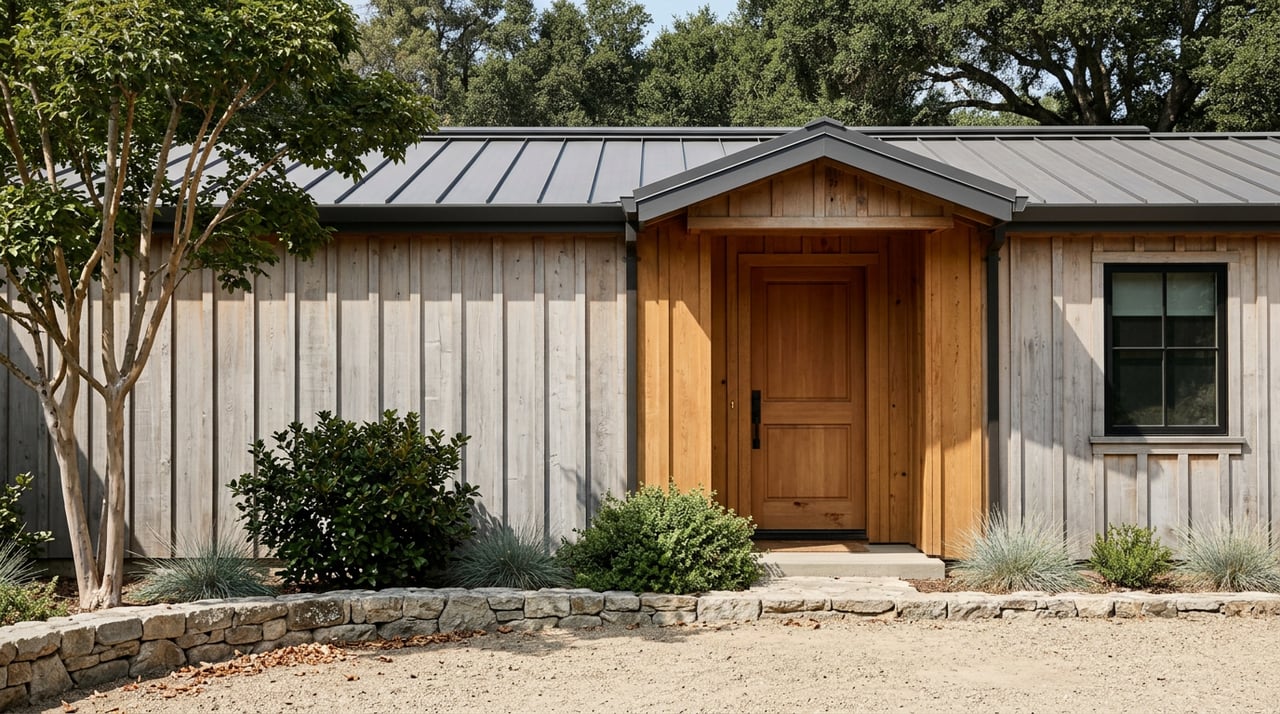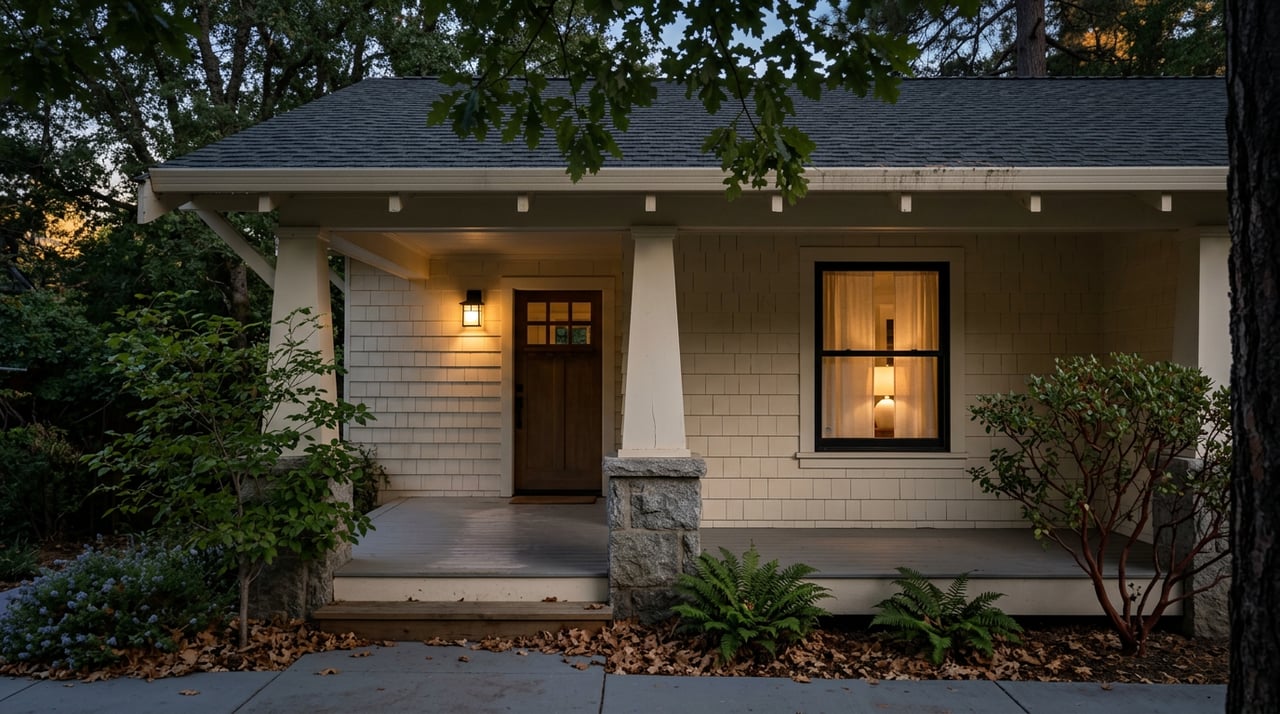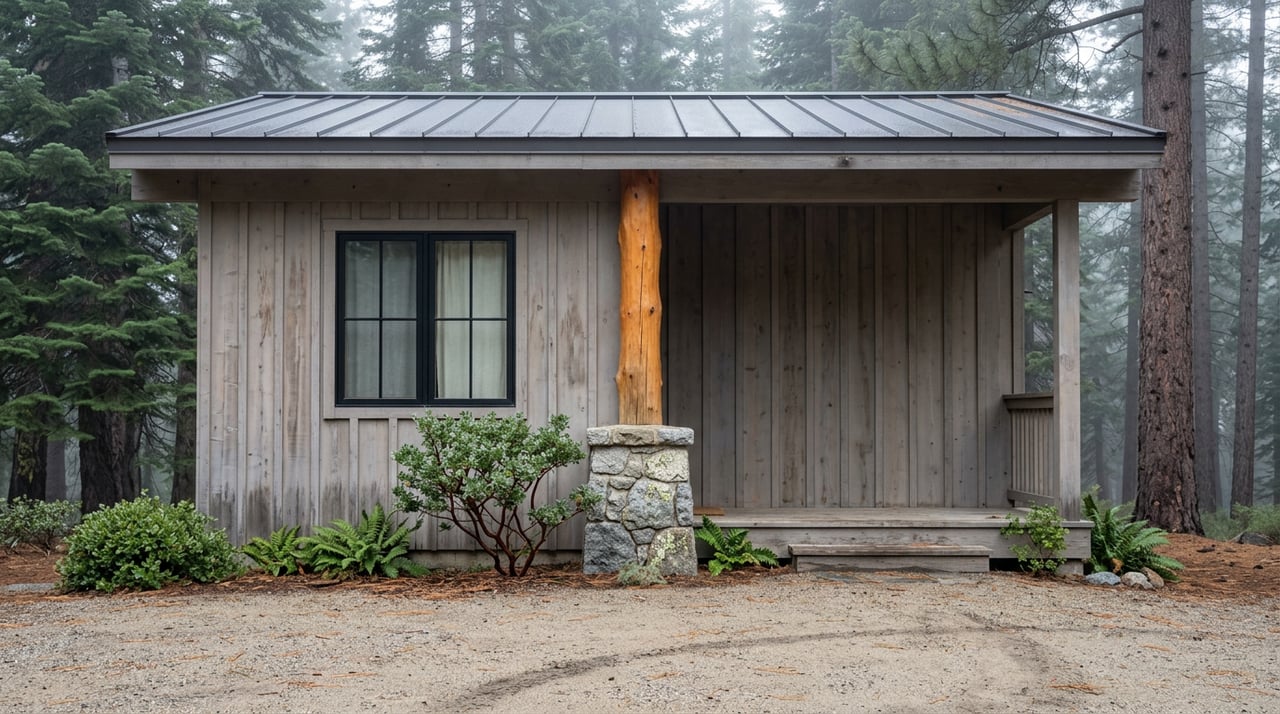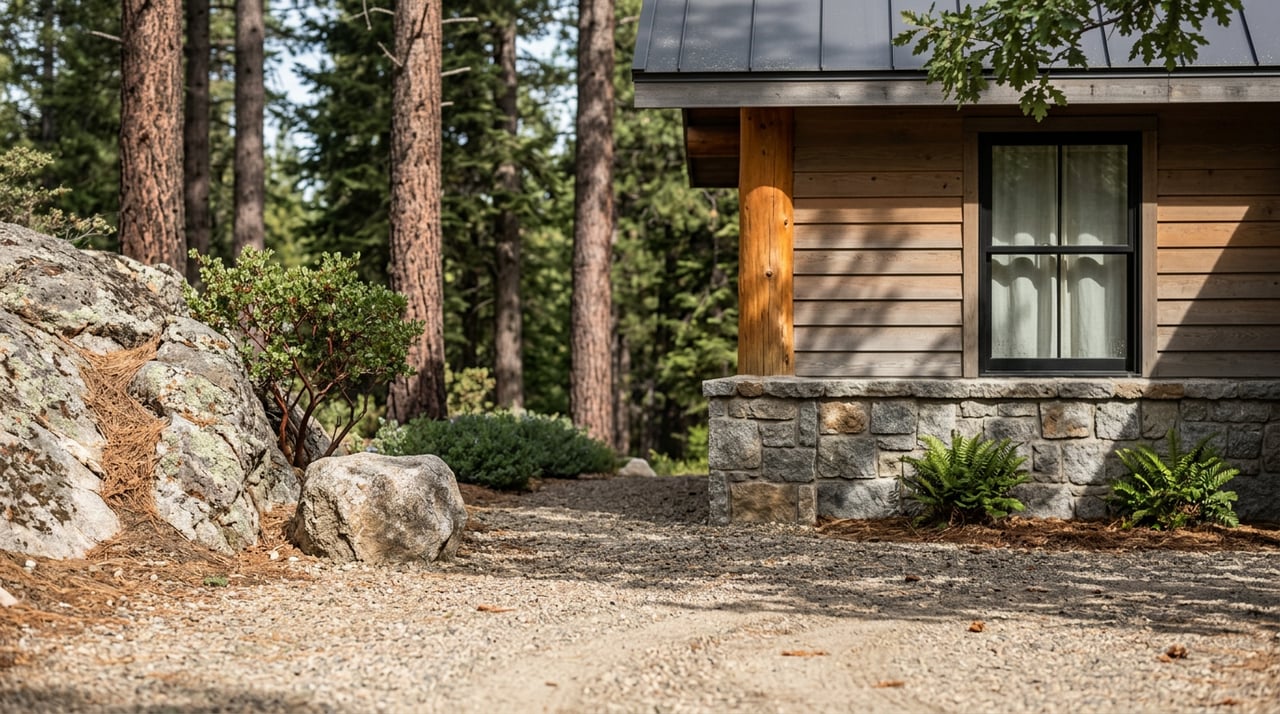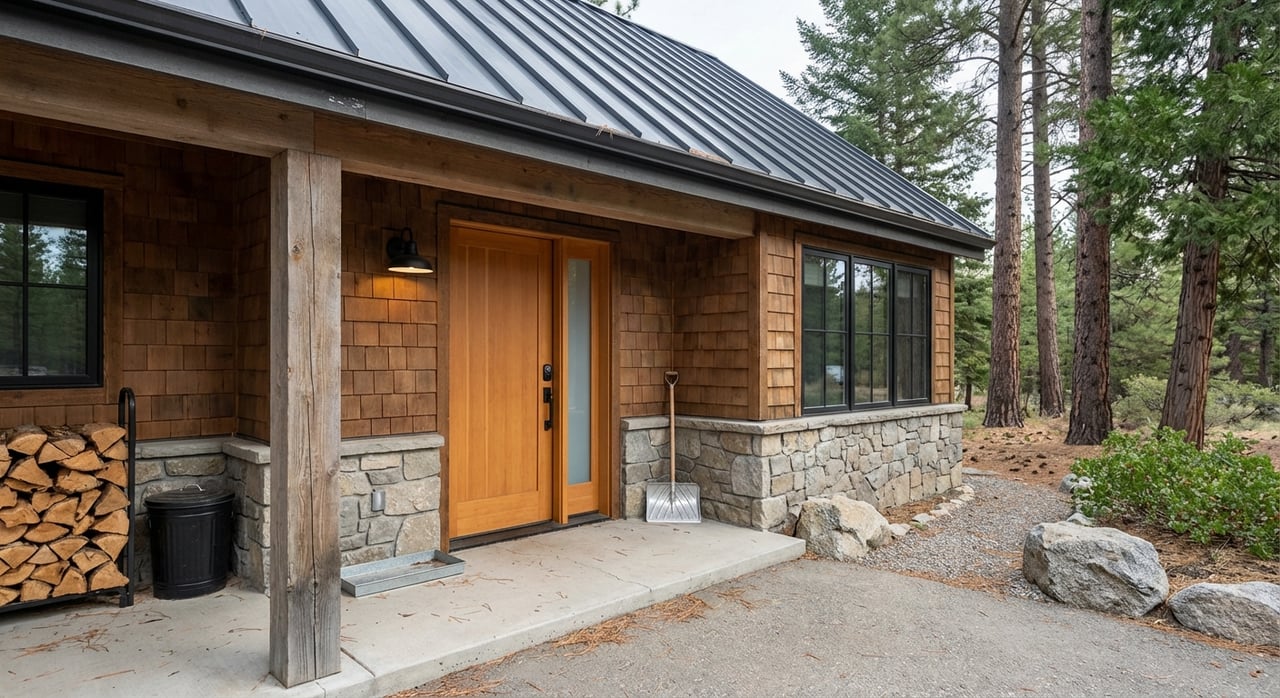
Dreaming of a cozy Sierra cabin that helps pay for itself? If you split time between personal getaways and guest stays, Long Barn can be a smart fit. You just need clear facts on local rules, must‑have features, and what it really costs to operate part‑time. This guide walks you through the essentials so you can buy with confidence and enjoy the mountains without surprises. Let’s dive in.
Why Long Barn works for dual use
Long Barn sits in Tuolumne County at roughly 5,000 feet, surrounded by pines and four‑season recreation. Winter draws come from nearby Dodge Ridge Mountain Resort, a go‑to for ski weekends and snow play that supports cold‑season bookings. In summer, Pinecrest Lake and Stanislaus National Forest trails bring steady demand for boating, fishing, and hiking.
- Check winter appeal at Dodge Ridge Mountain Resort.
- Explore summer activities around Pinecrest Lake.
With quick access from State Route 108, Long Barn is an easy weekend trip for Bay Area and Central Valley guests. That dual‑season pull helps smooth occupancy across the year.
Know the rules first
STR safety inspection required
Tuolumne County requires a Fire and Life Safety inspection for any short‑term rental in unincorporated areas like Long Barn. It is unlawful to operate or advertise without completing this inspection. Expect checklist items such as interior posting of evacuation info and a local contact, smoke and carbon‑monoxide alarms, accessible fire extinguisher, visible address numbers, and compliance with defensible space. See county guidance and filing details on the Transient Occupancy Tax and STR page, and review hazardous‑vegetation rules for defensible space here.
Transient Occupancy Tax basics
Tuolumne County imposes a 12% Transient Occupancy Tax (TOT) on short‑term stays. Owners file returns quarterly. The county notes Airbnb collects and remits TOT on its platform for Tuolumne County, while many other channels do not. Always verify whether your booking site collects TOT or if you must register and remit directly through the county’s TOT portal.
HOA and private rules
Some subdivisions and communities have their own rental policies, permits, or ADU restrictions. Rules vary by parcel and association. As an example, Pine Mountain Lake operates a rental compliance program and has specific ADU rules. Always obtain CC&Rs and written rental policies from the HOA before you finalize a purchase.
Rules can change
Inspection cycles and fees may be updated over time, and specific posting or response‑time standards can evolve. Before you rely on older guidance, confirm current procedures with the Tuolumne County Fire Prevention Division and Treasurer‑Tax Collector, starting with the county STR and TOT page.
What to look for in a rental‑friendly cabin
Layout and sleeping options
Many Sierra cabins offer 1 to 3 bedrooms, often with a sleeping loft and flexible setups to host groups. If a loft is used for sleeping, check egress and safety standards. Simple, well‑labeled floor plans make bookings easier and help set guest expectations.
Amenities guests book for
Prioritize reliable Wi‑Fi, a full kitchen with essentials, solid heating, and a washer/dryer. Multiple bathrooms help with groups. Hot tubs often drive higher nightly rates in mountain markets, but weigh installation and maintenance costs before you invest. See amenity priorities in industry roundups, such as Vacasa’s top vacation rental amenities.
Utilities and septic
Many Long Barn cabins rely on private wells and on‑site wastewater systems. Verify septic capacity against bedroom count, permit history, and pump‑out records. Tuolumne County outlines onsite wastewater standards under Title 13; review the Ordinance Code and confirm records during due diligence.
Internet options
Broadband coverage varies by address. Options may include satellite, fixed‑wireless, and in some areas cable or DSL. Many owners add Starlink or a fixed‑wireless backup to meet guest expectations. Check service at the parcel level with tools like Broadband Checked for Long Barn.
Winter access and parking
Driveway grade, snow plowing arrangements, and safe parking are musts. Guests need clear instructions for winter tires, 4WD, and snow conditions. Proximity to Highway 108 can improve access and reduce maintenance headaches.
Wildfire and insurance
Much of Tuolumne County sits in high or very high fire‑hazard zones. You must maintain defensible space and follow local mitigation standards, which affect both legal eligibility to rent and insurance options. Start early on quotes and ask insurers about any hardening measures required. Review county guidance on hazardous vegetation and defensible space.
Running the numbers
Estimate revenue
Use paid short‑term rental analytics to gauge occupancy and average daily rates. Smaller mountain markets require digging into nearby nodes like Pinecrest, Dodge Ridge, and Twain Harte to build a comparable set. Industry roundups list tools and methods here: vacation rental data resources. Be conservative for shoulder seasons.
Typical cost categories
Build a simple pro forma that includes:
- Taxes and fees: 12% TOT on rents and quarterly filing through the county; platform host fees also apply.
- Management: Full‑service vacation rental management often runs about 18% to 30% of gross revenue depending on scope and market. See fee models summarized by industry sources like DCF Modeling.
- Cleaning and turnover: Plan roughly $75 to $200 per turnover by home size and season, per ranges discussed in industry articles such as RealtyLT’s overview.
- Utilities and insurance: Expect higher winter heating costs and STR insurance premiums in fire zones. Budget a contingency for rate changes.
- Supplies and maintenance: Linens, consumables, small repairs, and a reserve for larger capex projects. Many owners set aside 1% to 3% of gross receipts annually.
A quick formula: estimated ADR × occupancy = gross revenue; subtract TOT, platform fees, cleaning, management, utilities, insurance, HOA or community fees, and maintenance reserves to stress‑test cash flow.
Taxes and personal use
If you combine personal stays with guest bookings, the IRS has special rules for allocating expenses and depreciation. Learn the basics in IRS Publication 527 and consult a CPA for your situation. Plan ahead so tax time is straightforward.
Before you buy: a checklist
- Confirm county STR status for the address, including TOT registration needs and Fire and Life Safety inspection steps, starting with the Tuolumne County TOT and STR page.
- Ask the seller for prior STR records if applicable: TOT certificate or returns, the latest fire inspection report, insurance details, and receipts for major repairs.
- Get HOA CC&Rs and written rental policies for the parcel, including any ADU rules or rental permits.
- Run a market model with a paid analytics tool and recent local comps; request booked‑data samples from nearby managers where possible. See industry resources on market data tools.
- Secure insurance quotes early and ask about defensible space and home‑hardening requirements tied to your address.
- Verify internet and phone options for the exact property with Broadband Checked or provider lookups.
- Map a conservative first‑year budget and discuss the 14‑day and 10% personal‑use tests with a CPA using IRS Pub. 527.
How Healy Homes helps
Buying a dual‑use cabin in the mountains is part lifestyle and part numbers. You deserve a local guide who understands both. As a boutique, broker‑led team based in Tuolumne County, we help you vet septic and well records, confirm county STR requirements, assess winter access, and negotiate the right protections in your offer. We keep the process clear, responsive, and tailored to how you want to use the home.
Ready to explore cabins in Long Barn and nearby communities with a local expert at your side? Connect with Healy Homes, Inc. to start a focused search and make a confident purchase.
FAQs
What makes Long Barn attractive for rentals?
- Winter access to Dodge Ridge for skiing and snow play plus summer fun at Pinecrest Lake and Stanislaus National Forest create year‑round demand for weekend getaways.
What short‑term rental permits apply in Tuolumne County?
- You must complete a Fire and Life Safety inspection before operating or advertising and collect a 12% Transient Occupancy Tax with quarterly filings; see the county’s TOT and STR page.
How do HOA rules affect renting a Long Barn cabin?
- Policies vary by subdivision; some communities require rental registration or have ADU rules, so always obtain the CC&Rs and written rental policies for your specific parcel before you close.
What internet options support guests in Long Barn?
- Coverage is mixed and address‑specific; check for satellite, fixed‑wireless, cable or DSL availability and consider a backup like Starlink; verify at your address using Broadband Checked.
How should I budget operating costs for a Long Barn STR?
- Include 12% TOT, platform fees, cleaning of about $75–$200 per turnover, optional management at roughly 18%–30% of gross, utilities, STR insurance, and a maintenance reserve of 1%–3% of gross revenue.