If you’re getting ready to sell an older home in Sonora, you may be wondering where to spend your time and money first. That is a smart question, especially in a market where older homes are common and buyers know how to spot the difference between vintage charm and deferred maintenance. The good news is that you do not need to turn your house into a brand-new remodel to make it market-ready. You just need to address the issues that create the biggest red flags for buyers, inspectors, and lenders. Let’s dive in.
Older homes are common in Sonora
In Sonora, older housing is not unusual. According to the city’s draft housing data, about 77% of housing units were over 30 years old and 51% were over 50 years old as of 2021.
That matters because buyers shopping in Sonora are often open to character, original details, and older construction. What tends to worry them more are signs of risk, like roof leaks, moisture damage, electrical problems, or visible settling.
A better strategy is to keep the character and fix the risk. In most cases, that gives you a stronger return than pouring money into cosmetic upgrades alone.
Fix safety and structure first
When buyers schedule inspections, the same categories tend to get the most scrutiny. Fannie Mae’s inspection guidance highlights foundation concerns, roof issues, water intrusion, electrical defects, HVAC function, plumbing leaks, window operation, and other major systems.
If you are trying to prioritize repairs, start with anything that affects safety, structural stability, or day-to-day function. Those issues are more likely to trigger repair requests, pricing pressure, or buyer hesitation.
Roof and drainage problems
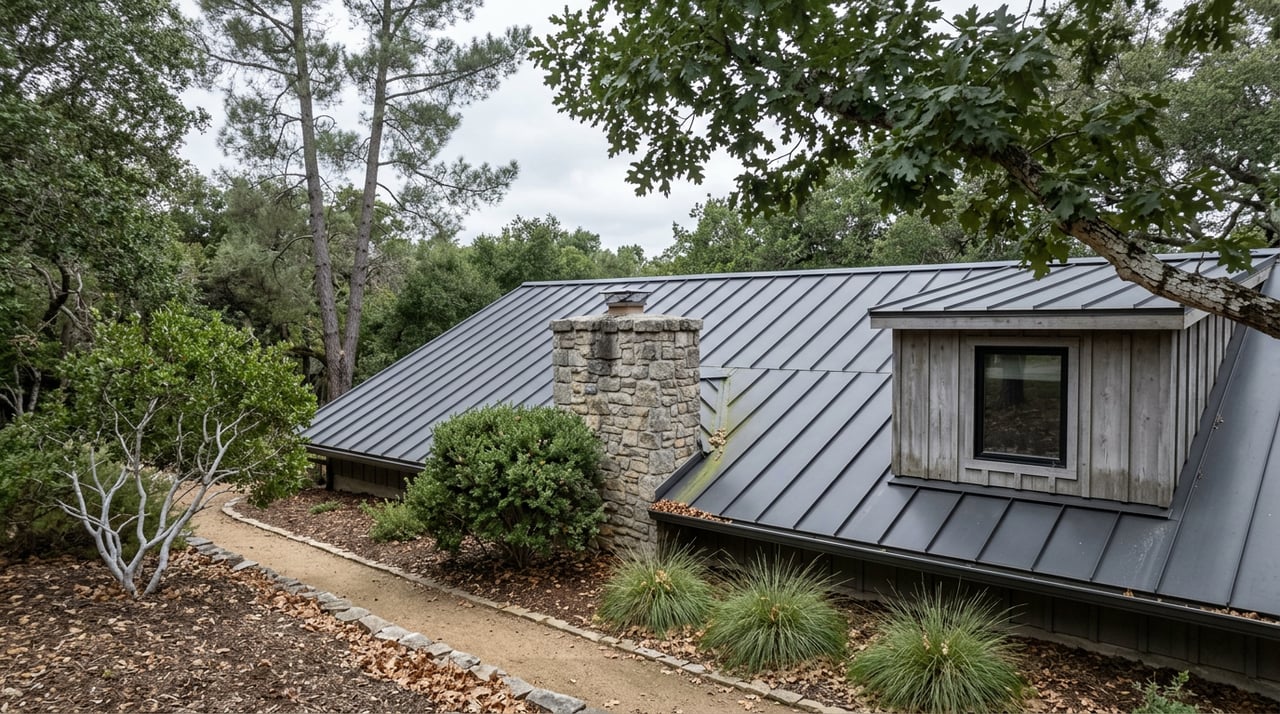
Roof issues often move to the top of the list for a reason. Active leaks, missing shingles, damaged flashing, and gutter problems can lead to interior staining, wood rot, and ongoing moisture damage.
Drainage matters too. If water flows toward the house instead of away from it, buyers may worry about staining, rot, settlement, or hidden foundation problems. In a place like Sonora, where local planning also points to wildfire, earthquakes, and drought as important hazards, buyers tend to be especially alert to exterior maintenance and water intrusion concerns.
Foundation and settling concerns
Cracks are not all the same, but visible foundation cracks, uneven floors, and signs of abnormal settling deserve attention before listing. These are the kinds of issues that can raise questions fast during a showing or inspection.
If something looks beyond routine cosmetic wear, it often makes sense to get a specialist opinion early. A clear explanation and supporting documentation can help reduce uncertainty for buyers.
Electrical issues
Older homes can come with older wiring, outdated panels, or visible defects at outlets and breakers. Fannie Mae notes that electrical problems are one of the areas inspectors review closely.
If you know there are flickering lights, non-functioning outlets, missing protections, or obvious panel concerns, this is not the place to delay. Electrical issues can affect both safety and buyer confidence.
Plumbing and moisture issues
Leaks, low water pressure, faulty shutoff valves, and evidence of hidden moisture should move up your repair list. Even a small plumbing issue can make buyers wonder what else is happening behind the walls or under the house.
Watch for staining, soft materials, musty smells, or signs of repeated repairs. In older homes, moisture problems can spread quietly, so it is worth dealing with them before they become negotiation points.
HVAC and basic function
Buyers want to know the home’s major systems work as expected. If your heating or cooling system is not functioning properly or shows obvious deferred maintenance, it is smart to address that before your home hits the market.
This does not always mean replacing the system. Sometimes a professional service, repair, or clear maintenance record can go a long way toward reassuring buyers.
Know when to call specialists
A general home inspection can help identify broad concerns, but it does not answer every question. Fannie Mae explains that a routine inspection is not a full electrical inspection, does not uncover every hidden condition, and does not provide repair cost estimates.
That is why it helps to separate simple fix-it items from problems that need a roofer, plumber, electrician, pest company, engineer, or other specialist. If you already know your older Sonora home has a real punch list, getting targeted bids early can help you make better decisions about what to repair, what to disclose, and what to price around.
Treat wildfire prep as pre-listing work
In Sonora, wildfire readiness is not just a nice extra. It is part of smart pre-sale preparation.
CAL FIRE says that 100 feet of defensible space is required by law, and the first five feet around the home is the most important zone to keep ember-resistant. The state also recommends removing combustibles, clearing dead vegetation, and maintaining spacing between plants, trees, and structures.
Start with exterior cleanup
Before listing, take a close look at the areas immediately around the home. Dead vegetation, leaf buildup, stacked firewood near the structure, and overgrown plantings can all create concern for buyers.
Simple cleanup can improve both presentation and perceived safety. It also shows that the property has been maintained with local conditions in mind.
Consider basic home hardening
CAL FIRE’s home-hardening guidance points to features like ember-resistant vents, sealed eaves, repaired or ignition-resistant siding, tempered double-pane windows, and reduced combustibles around decks, fences, and similar attachments.
You do not always need to complete every possible upgrade before selling. But if there are obvious vulnerabilities, addressing them can make your home easier to market and easier for buyers to evaluate.
Gather fire-zone documentation early
If your property is in a high or very high fire hazard severity zone, there may be added disclosure or documentation considerations during a sale. State guidance summarized by the City of Corona notes that some sellers may need defensible-space compliance documentation under Civil Code 1102.19.
This is one more reason to start your prep early rather than waiting until you are already under contract.
What can usually wait
Not every older-home issue needs to be fixed before you sell. In many cases, buyers are more forgiving of dated finishes than active leaks, unsafe conditions, or unresolved fire-risk issues.
That means lower-priority projects often include:
- Interior paint touch-ups
- Replacing cabinet hardware or basic light fixtures
- Deep cleaning and decluttering
- Basic staging
- Minor landscaping refreshes
California seller guidance from the Department of Real Estate supports the value of presentation and disclosure, but these lower-cost updates usually come after the big-ticket risk items.
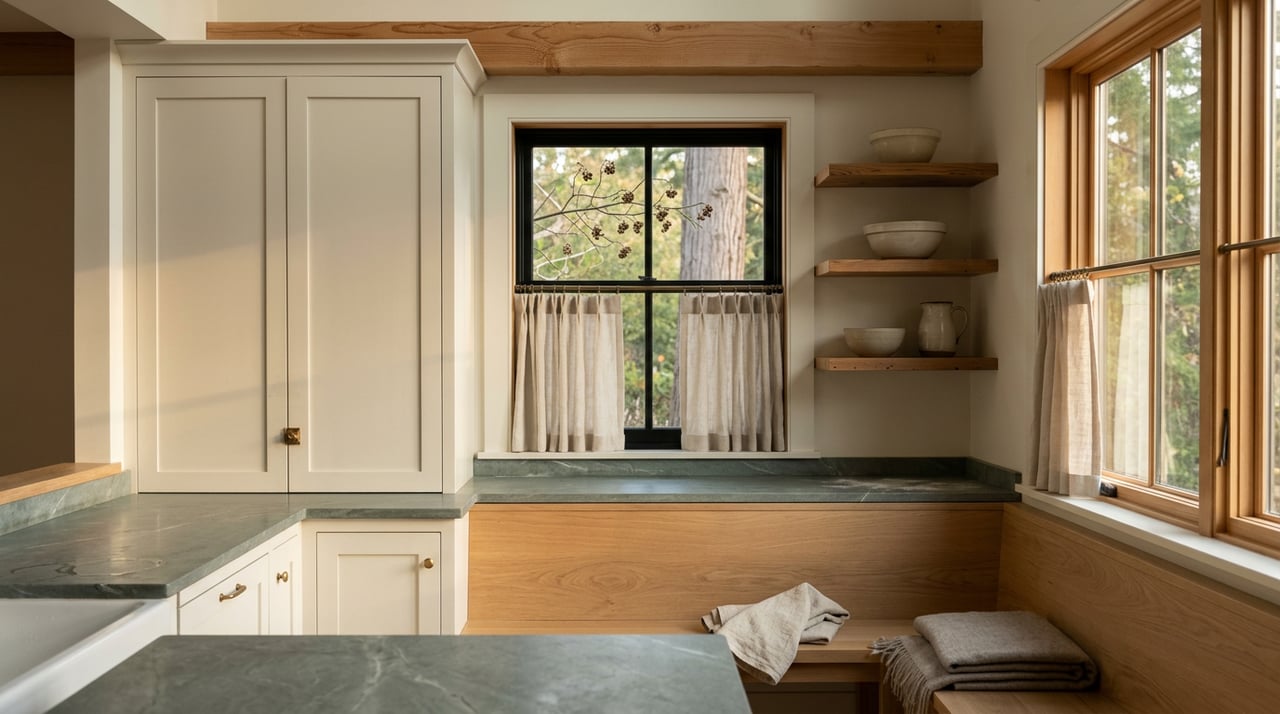
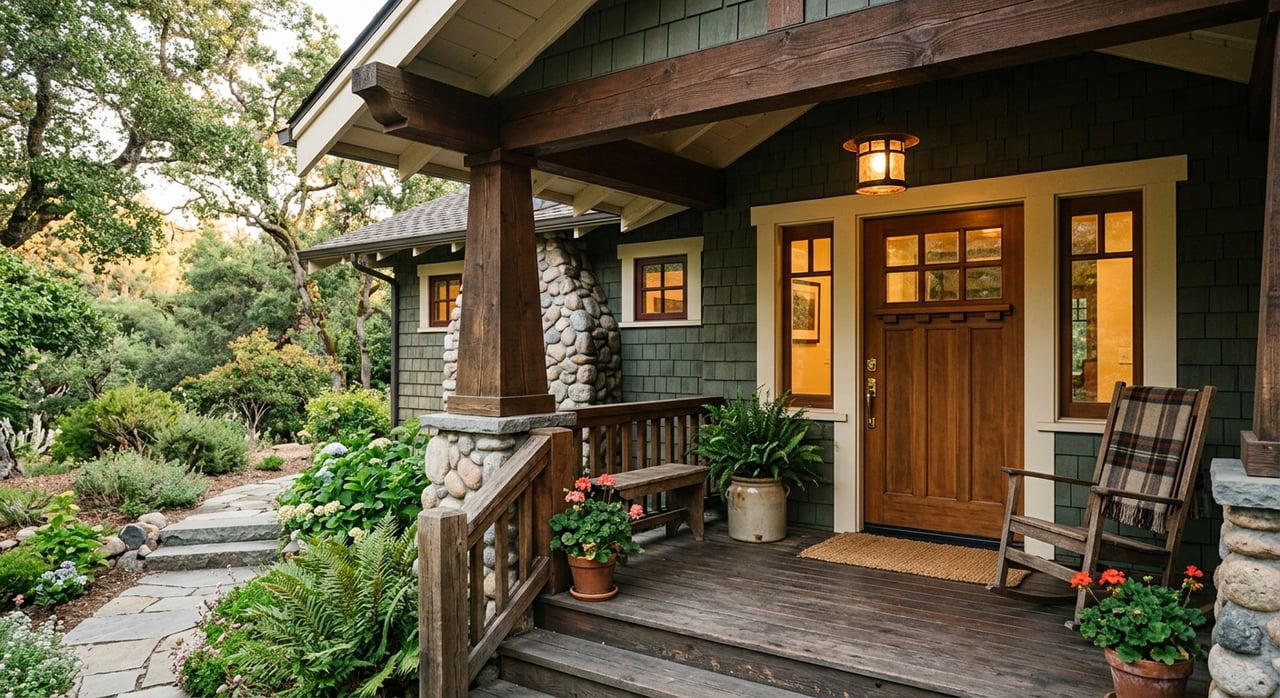
If your home has original woodwork, built-ins, vintage doors, or other older details, those features may add appeal rather than hurt it. The goal is not to erase the age of the home. The goal is to make sure those details feel intentional, functional, and well cared for.
Get your disclosures together early
Selling an older Sonora home is not only about repairs. It is also about preparation.
The California Department of Real Estate explains that the Transfer Disclosure Statement describes the condition of the property, is not a warranty, and is not a substitute for inspections. Sellers and agents are expected to disclose known material facts, and reports from qualified experts can help support that process.
Key documents to gather
For many older homes, it helps to collect paperwork before listing, not after an offer comes in. That may include:
- Transfer Disclosure Statement
- Natural Hazard Disclosure information
- Lead-based paint disclosure for homes built before 1978, as required by the EPA
- Records for additions, alterations, repairs, or structural modifications
- Permit copies, if available
- Defensible-space documentation if applicable
California law also requires disclosure of certain additions, modifications, alterations, or repairs, along with permits if they were obtained, under the California Civil Code.
For seismic hazard context, you may also see relevant information through California’s seismic hazards mapping resources.
A simple way to prioritize your budget
If you are not sure how to sequence the work, use this order:
- Fix active leaks, drainage issues, and moisture damage.
- Address safety concerns like electrical defects or major trip hazards.
- Resolve structural or settling questions.
- Make sure plumbing and HVAC systems function properly.
- Improve wildfire readiness and exterior cleanup.
- Spend what is left on paint, cleaning, and simple visual improvements.
This approach helps you remove the biggest question marks first. That usually puts you in a better position than spending heavily on finishes while leaving major concerns untouched.
The goal is confidence, not perfection
When you sell an older home in Sonora, buyers are not expecting new construction. They are looking for a home that has been cared for, honestly presented, and prepared for the realities of the local market.
That usually means you do not need a full remodel. You need to fix the items most likely to raise concern, preserve the home’s character where it adds value, and have your disclosures and documentation ready.
If you want help deciding what is worth fixing before you list, the team at Healy Homes, Inc. offers local, broker-led guidance tailored to Tuolumne County homes and real-world selling strategy.
FAQs
What should you fix first before selling an older home in Sonora?
- Start with roof leaks, drainage problems, foundation concerns, electrical defects, plumbing leaks, HVAC issues, and other safety or function-related items.
Do you need to remodel an older Sonora home before listing it?
- Usually no. In many cases, it is more important to address major risks and maintenance issues than to complete a full cosmetic remodel.
How important is wildfire preparation when selling a home in Sonora?
- It is very important. Defensible space, exterior cleanup, and basic home hardening can affect buyer confidence and may also connect to required documentation in certain fire hazard zones.
What disclosures matter when selling an older home in California?
- Common items include the Transfer Disclosure Statement, Natural Hazard Disclosure information, lead-based paint disclosure for pre-1978 homes, and records for repairs, additions, or permits when available.
Should you keep original features in an older Sonora home?
- Yes, if they are clean, functional, and not hiding damage. Original woodwork, built-ins, and vintage details can add character when the home’s major systems and condition issues have been addressed.