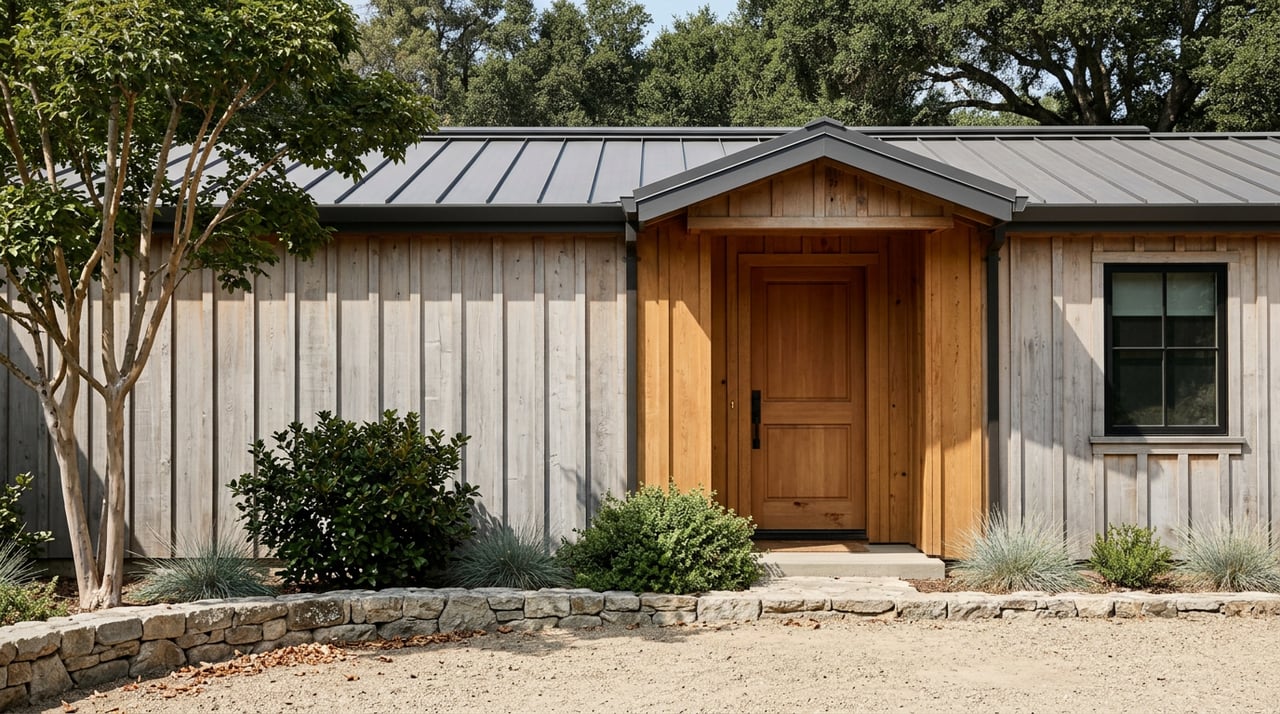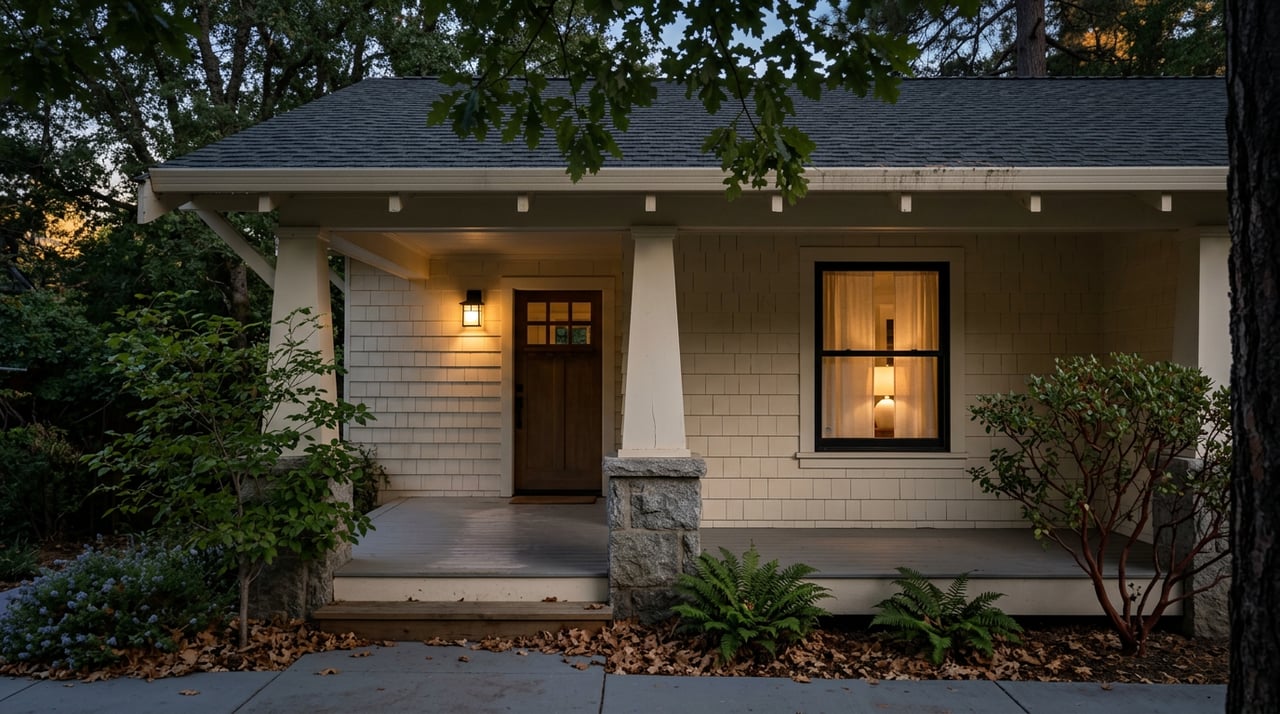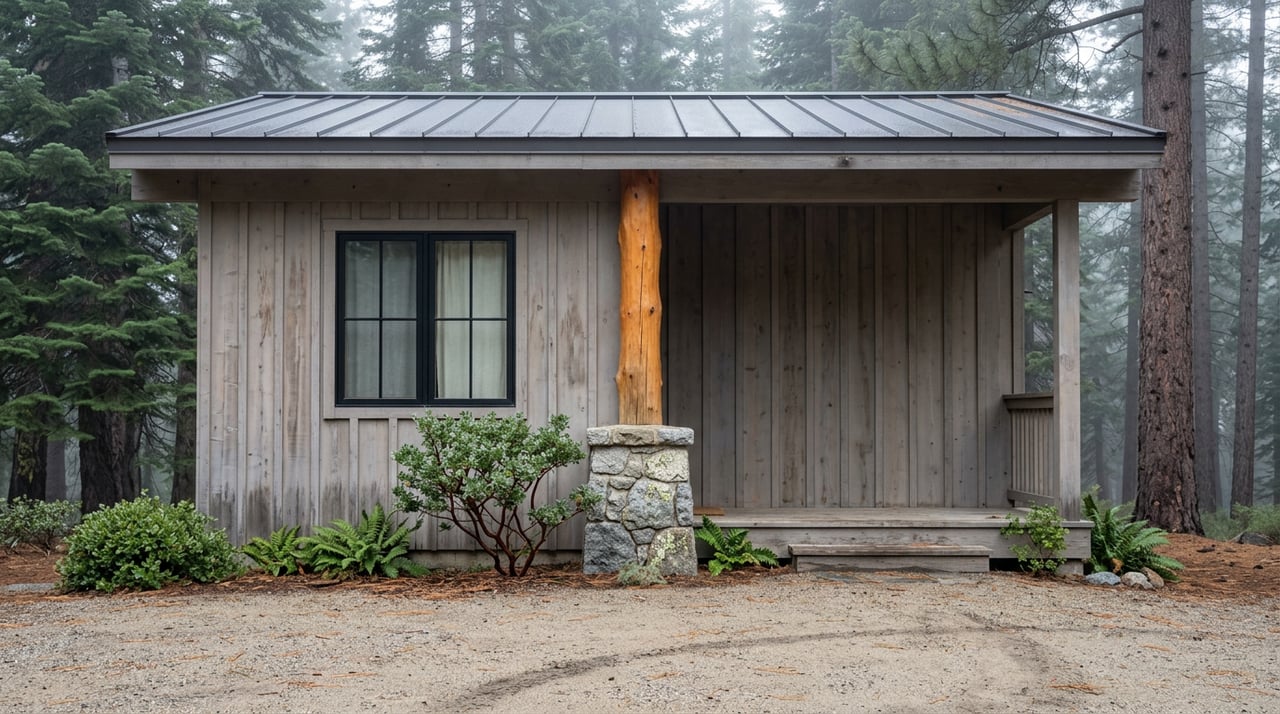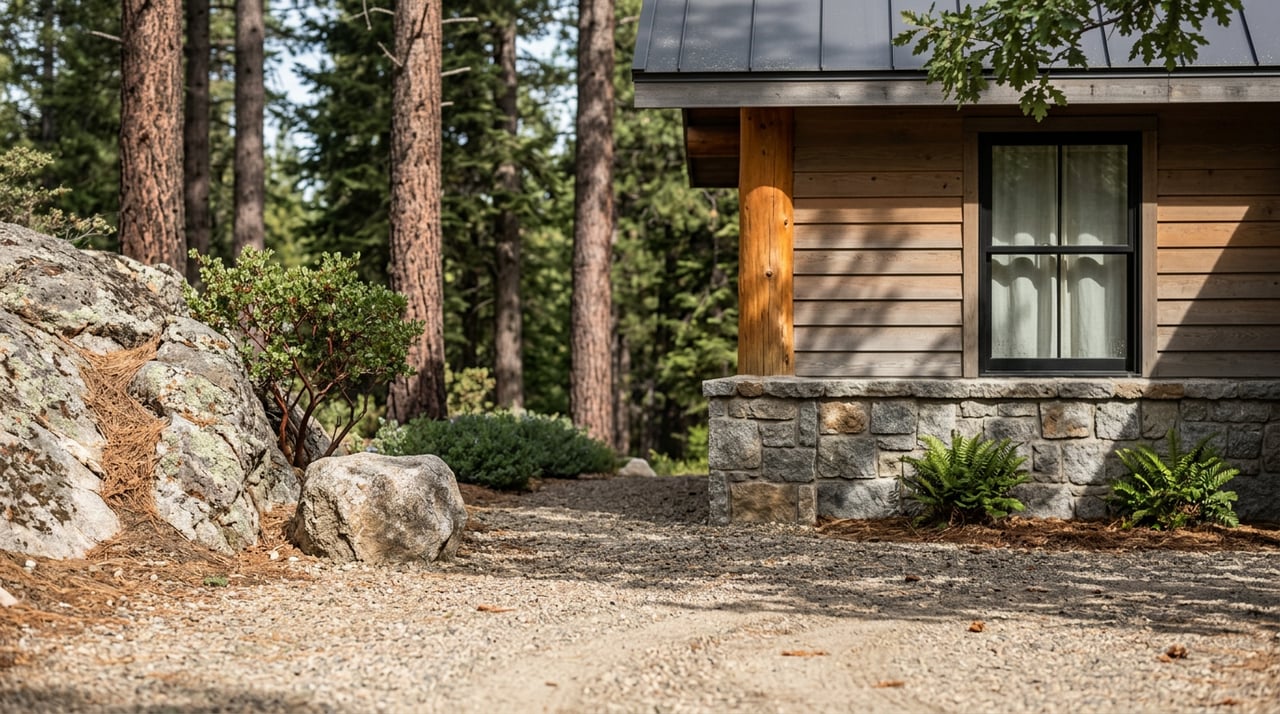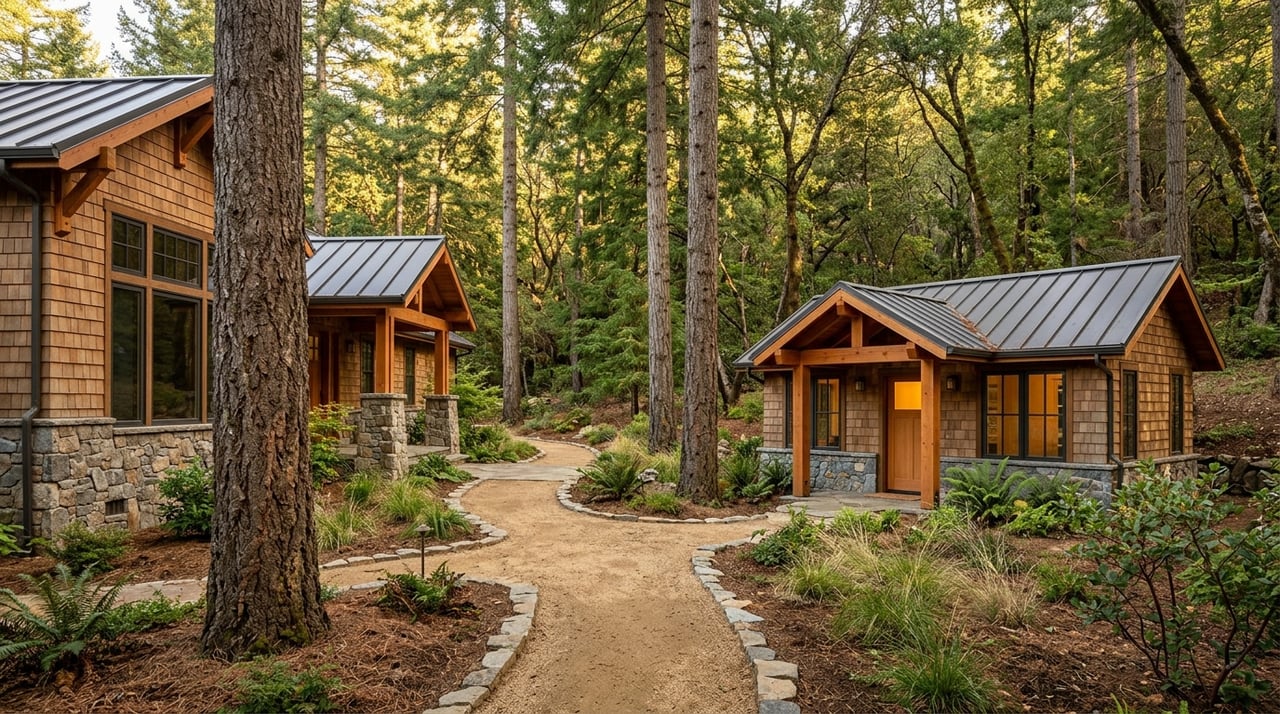
Wondering whether an ADU or a simple house hack could make an East Sonora property work harder for you? You are not alone. Many buyers and homeowners in Tuolumne County are looking for flexible ways to create space for family, offset housing costs, or improve long-term value. The key is knowing which options are actually allowed on your parcel and how to move forward without costly missteps. Let’s dive in.
ADUs in East Sonora
East Sonora is an unincorporated Tuolumne County community with a mix of residential densities, which means the right ADU or house-hack setup is often parcel-specific rather than one-size-fits-all. According to Tuolumne County’s housing planning documents, site details like zoning, setbacks, access, utilities, and fire-related constraints can shape what is feasible on a given lot.
Under California HCD ADU guidance, an accessory dwelling unit, or ADU, is a secondary home with complete independent living facilities. State law allows ADUs on lots zoned for single-family or multifamily residential use without a minimum lot-size standard. That matters because not every spare room or guest setup automatically qualifies as an ADU.
ADU vs house hack
If you are exploring extra income or more flexible living space, it helps to separate the legal categories first. A true ADU is its own independent living unit. A junior accessory dwelling unit, or JADU, is smaller and must be created within an existing single-family home.
A house hack can be broader than either one. In practical terms, it may mean renting a room, creating a legal JADU, converting an existing area into an ADU, or buying a property with a layout that supports multigenerational living. The best fit depends on your property, your goals, and the county rules that apply.
Best ADU options for East Sonora
Detached backyard ADU
A detached backyard ADU is often the cleanest option when a lot has enough open area to support required setbacks. Tuolumne County allows detached ADUs up to 1,200 square feet and generally up to 16 feet in height, with a limited 18-foot exception in certain situations under the county ordinance.
The county’s ADU rules also make parking more workable than many buyers expect. Tuolumne County Chapter 17.36 caps parking at one space per unit or per bedroom, whichever is less, allows tandem parking, and does not require you to replace parking if a garage or carport is converted or removed for the ADU.
Attached ADU
An attached ADU can make sense when your existing home has enough interior or connected space to carve out a separate unit. Under county rules, an attached ADU can be up to 50% of the existing home, with a maximum of 1,200 square feet.
This option can work well if you want to preserve more yard area or if the lot layout makes a detached structure difficult. It may also simplify access to utilities, although your exact utility setup should still be reviewed early in the process.
Garage or existing-space conversion
If the property has an underused garage, attic, basement, or storage area, conversion can be one of the more efficient ADU paths. State and county rules allow conversions to keep the same dimensions without requiring a new setback, and the county says no passageway is required.
That can be especially useful in East Sonora, where older homes may already have detached garages or flexible lower-level areas. As always, the existing space still needs to meet building and safety requirements before it can become legal living space.
JADU inside the home
For homeowners who want a lower-impact option, a JADU may be the strongest in-home house-hack path. Under California Government Code Section 66333, a JADU must be created within an existing single-family residence and include a separate entrance and an efficiency kitchen.
If the JADU does not have its own separate bathroom, it may need interior access to the main home. Owner-occupancy rules can be more nuanced for JADUs, so this is one area where it is smart to confirm the county’s current interpretation before investing in plans.
House-hack ideas beyond ADUs
Not every East Sonora property needs a detached unit to become more flexible. Some homes are better suited to a legal room-rental plan that remains inside a single dwelling unit. Others may have a layout that works well for extended family while still staying within one legal residence.
For multifamily properties, the options can expand further. Tuolumne County’s ADU ordinance allows ADUs in existing multifamily structures and generally permits up to 25% of the principal units, while requiring allowance of at least one ADU in qualifying situations.
What to check first
Before you get attached to a floor plan or contractor estimate, start with the parcel. In East Sonora, the most important early step is verifying zoning, setbacks, access, utility capacity, and wildfire-related constraints.
State law allows local review of water, sewer, and public safety issues, and county code leaves room for site-specific review of parking, setbacks, and utilities. If the property uses septic or another private sewage system, Environmental Health should be part of the conversation early because local health-officer approval may be required.
Here is a simple due diligence checklist:
- Confirm the parcel’s zoning and current use
- Verify setbacks and building area
- Review access and parking layout
- Check water, sewer, septic, and electrical needs
- Ask about wildfire and Wildland Urban Interface requirements
- Confirm whether your idea is an ADU, JADU, or single-home use change
- Review deed restrictions or HOA documents if applicable
Permitting in Tuolumne County
The good news is that ADU and JADU permits are ministerial, not discretionary. That means the county reviews them against objective standards rather than through a subjective approval process.
Under the county ordinance, Tuolumne County should act within 60 days after receiving a completed application. The county also offers pre-approved ADU plans and building forms through its OpenGov permitting system, and says plan reviews for those submissions typically begin within 5 to 15 business days after a complete application is filed.
Even with a pre-approved plan, you still need a county-compliant plot plan and supporting documents. If your project involves garage demolition or replacement, that permit review happens together with the ADU review.
Utility and fee details
Utility planning can affect both cost and timeline. According to county rules, detached ADUs require separate metering, while attached ADUs do not. At the same time, a utility provider may still request separate water, sewer, or electrical connections depending on the setup.
Fees matter too, especially if you are trying to make the numbers work. Tuolumne County states that ADUs under 750 square feet do not pay impact fees, including school fees, and larger ADUs are charged proportionately. The county also says JADU utility connection fees are not collected.
Rental and resale realities
An ADU can create useful flexibility, but it is important to match your strategy to local rules. In Tuolumne County, ADUs can be rented separately from the main home, but rental terms of less than 30 days are prohibited under the county ordinance.
That means the clearest use cases are often long-term rental income, housing for family, or added privacy for guests over time. It is also important to know that ADUs generally cannot be sold separately from the primary home, except in narrow nonprofit-related exceptions.
Wildfire planning matters
In East Sonora, wildfire readiness is part of smart property planning. Tuolumne County notes that defensible space now includes Zone 0, the 0 to 5 foot area around structures, and the county building department includes Wildland Urban Interface forms in permit information.
You can review the county’s defensible space guidance as part of your early planning. State law also says adding an ADU does not trigger sprinklers in the existing primary dwelling if sprinklers were not already required, which can help clarify upgrade expectations for some owners.
Buying with ADU potential
If you are shopping for a home in East Sonora, ADU potential should be evaluated like any other value factor. A promising listing may still face limits based on lot layout, septic capacity, access, or fire-related building conditions. A less obvious property may actually offer a smoother path if the existing garage, basement, or side-yard configuration already lines up with county rules.
This is where local, parcel-level guidance matters. In a market like Tuolumne County, the smartest move is usually to connect the property’s physical layout to the right legal category, then keep the paper trail clean from zoning review through final occupancy.
Whether you are buying with future flexibility in mind or deciding how to improve a home you already own, Healy Homes, Inc. can help you evaluate East Sonora properties with local insight, practical due diligence, and broker-led guidance every step of the way.
FAQs
What qualifies as an ADU in East Sonora?
- An ADU in East Sonora must be a secondary dwelling unit with complete independent living facilities, consistent with California HCD guidance.
What is the difference between a JADU and an ADU in Tuolumne County?
- A JADU must be created within an existing single-family home and include an efficiency kitchen, while an ADU is a separate independent living unit that may be detached, attached, or converted from existing space.
Can you rent out an ADU in East Sonora?
- Yes, but Tuolumne County prohibits rental terms shorter than 30 days for ADUs, so they are generally suited for long-term rental or multigenerational living.
How large can a detached ADU be in Tuolumne County?
- Under the county ordinance, a detached ADU can be up to 1,200 square feet and generally up to 16 feet tall, with limited exceptions in certain cases.
Do ADUs require owner occupancy in East Sonora?
- State law does not impose an owner-occupant requirement for ADUs, but JADUs are more restricted, so you should confirm the current county rule before making plans.
Are impact fees charged for ADUs in Tuolumne County?
- ADUs under 750 square feet do not pay impact fees, including school fees, and larger ADUs are charged proportionately according to county rules.