Thinking about a cabin or year-round place near Pinecrest? Winter here can be magical, but it comes with real logistics you will want to understand before you buy. You are smart to ask what day-to-day life looks like when snow piles up, power flickers, and chain controls pop up on Highway 108. In this guide, you will get a clear, practical picture of winter living in 95335 and how to prepare. Let’s dive in.
Winter pattern on Upper 108
Snowfall varies by year
Upper 108 communities like Pinecrest, Strawberry, and Cold Springs sit in a mid-elevation Sierra band. Winters are reliably wintry, but totals and timing change a lot from year to year. Significant storms can arrive as early as November and linger into April, with occasional outliers. Plan for variability, not a set calendar.
Road access and chain controls
State Route 108 is the main route in and out, and it is maintained by Caltrans District 10. During storms the highway often stays open, but chain controls and temporary closures are common. You may be required to carry chains or use snow tires, and checkpoints happen at times. Private roads and steep driveways are typically not public-plowed, so owners handle their own snow clearing.
Utilities and emergency response
Strong storms can bring down trees and lines, which can mean power outages lasting hours to days. Cell coverage and internet reliability vary by spot, and some owners use satellite options as backup. Emergency responses from local fire districts, county services, and CHP continue in winter, but response times can stretch during active weather.
Daily life in winter
Driving and schedules
You will want a vehicle with solid traction and snow-driving experience under your belt. Travel times run longer and can change quickly with weather. Most owners build in flexibility for errands and commuting to lower elevations during storms.
Driveways and parking
Driveway design plays a big role in winter ease. Longer, winding, or steep driveways need more frequent plowing and can limit parking when snowbanks grow. Look for properties with room to turn around and places to store snow off to the side.
Snow removal options
Snow removal is usually a private responsibility. Owners either contract local plow services or rely on their own equipment such as snowblowers or plow trucks. Contractors often book up early and get busy fast during big cycles. Roof snow management is also common to reduce load and prevent ice dams, and some owners hire professional roof-clearing services.
Heating and fuel
Common heating systems include propane furnaces, wood or pellet stoves, and electric heat. If you use propane, plan deliveries ahead since winter demand can cause delays. With wood or pellet heat, store fuel safely, keep up with chimney inspections, and follow local permitting rules.
Power backups
Portable or standby generators are widely recommended for mountain homes. Many owners also pair solar with batteries. If a generator or battery system is already in place, verify codes, fuel storage, and service history during due diligence.
Plumbing, wells, and septic
Prolonged cold can freeze pipes without proper steps. Insulate exposed plumbing, use heat tape where needed, and keep a minimum indoor temperature when you are away. Many properties run on well and septic systems, so check well depth and aboveground components, understand pump housing, and learn how the septic layout performs in winter.
Supplies, mail, and trash
Smaller communities like Strawberry and Cold Springs offer limited shopping, while full-service groceries, pharmacies, and healthcare are in larger towns. Stock essentials ahead of storm windows. USPS and parcel carriers usually continue, but deliveries may slow or reroute, and some addresses rely on cluster boxes or PO boxes in heavy snow. Trash and recycling can be delayed or suspended during major events.
Lifestyle and amenities
Local skiing and snow play
A nearby alpine ski area along Highway 108 makes downhill days convenient when lifts are spinning and the road is clear. Conditions, operations, and road status shift with the weather, so keep plans flexible. Sledding, snowshoeing, and cross-country days are easy to find on public lands when conditions allow.
Trails and lake access
The Pinecrest Lake area and Stanislaus National Forest offer winter routes for snowshoeing and cross-country travel. Always confirm current safety guidance and seasonal access before heading out, and be cautious around frozen lakes and unpatrolled areas.
Community rhythm in winter
Many businesses operate year-round, though some shift to reduced hours. Expect busier weekends and holidays near snow-play areas, with tighter parking and more visitors during storm cycles. Midweek is often quieter with lighter services.
What to look for in a home
Roof and structure
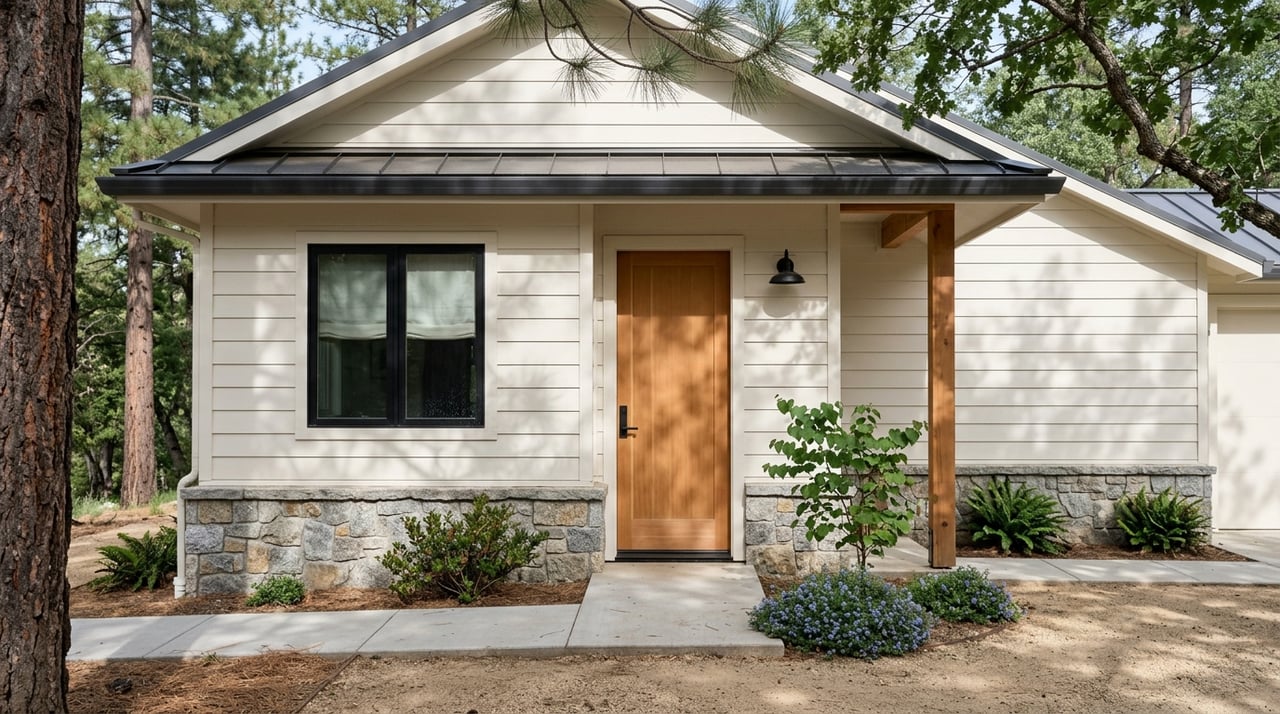
Focus on roof pitch, material, and structural snow load capacity. Steeper and metal roofs tend to shed snow better, and good flashing and gutters help reduce ice dam risk. Ask sellers about prior snow load history and any reinforcement or roof-clearing routines.
Insulation and ventilation
Well-insulated, air-sealed homes with balanced ventilation manage heat better and reduce freeze risks. Check attic insulation depth, draft points, and venting that helps control moisture and ice formation.
Entry and parking
Protected entries, mudrooms, and covered parking make winter living easier and safer. Look for flat, accessible parking and a clear path from parking to the main door that is easy to keep clear.
Fuel and generator setup
Make sure propane tanks are accessible for deliveries in deep snow. Plan wood storage that stays dry and near the house. Space for a generator and safe fuel storage is a practical must.
Driveway design and access
Confirm a plow can access your driveway and turn around without trouble. Think about where storm snow will go and whether delivery trucks or emergency vehicles can reach the house in heavy conditions.
Insurance, rules, and HOAs
Insurance coverage
Review your homeowner or dwelling fire policy for snow-related items like heavy snow load, ice damage, and roof collapse. Check exclusions and deductibles specific to winter storm impacts.
Permits, rentals, and safety rules
Short-term rental rules, fire mitigation requirements, and well or septic permitting vary within Tuolumne County. Contact county planning and building to confirm what applies to your property plans, especially if you intend to rent or upgrade systems.
Road districts and dues
Some neighborhoods have mandatory road or HOA dues for plowing and upkeep. Understand exactly who handles plowing and how schedules, costs, and responsibilities are set before you buy.
Buyer checklist for 95335
- Confirm year-round access: ask about typical chain controls, recent road closure history, and driveway plow arrangements.
- Verify utility reliability and outage history: get examples from recent winters and ask about any backup systems.
- Inspect heating systems and chimneys: review service records, fuel storage, and current permits for wood or pellet stoves.
- Ask about roof performance: past snow load, any reinforcements, roof-clear routines, and gutter or heat cable setups.
- Check cell coverage and internet options at the address: consider satellite backup for reliability.
- Budget for snow services and fuel: line up plow contracts early and plan for propane or wood deliveries.
- Prepare an emergency kit and plan: know local shelters, evacuation routes, and neighborhood contacts.
Local resources to verify
- Caltrans District 10 for Highway 108 status and chain controls
- National Weather Service for winter forecasts and storm warnings
- Tuolumne County departments for planning, building, and emergency management
- Local fire protection district and county sheriff for response and evacuation procedures
- U.S. Forest Service, Stanislaus National Forest for recreation rules and grooming updates
- Local utilities and service contractors for outage maps and preparedness guidance
- The regional ski area and tourism updates for seasonal operations and visitor info
Ready to make winter work for you?
Living near Pinecrest in winter is about preparation, flexibility, and choosing a property that fits how you plan to use it. With the right home features and support, you can enjoy powder days, quiet forests, and cozy nights while staying ahead of storms. If you want a straight-shooting, local guide to help you evaluate access, systems, and seasonal trade-offs, connect with the team at Healy Homes, Inc.. We will help you find the right fit and navigate every winter detail with confidence.
FAQs
How snowy is winter near Pinecrest in 95335?
- Winters are snowy but vary year to year, with significant storms possible from November into April and occasional outliers beyond that window.
Do you need chains for Highway 108 in winter?
- Chain controls and temporary closures are common during storms, so plan to carry chains or use appropriate snow tires when traveling State Route 108.
How do homeowners handle snow removal in 95335?
- Most owners contract local plow services or use personal equipment, and many plan roof snow management during big cycles, with contractors booking early in the season.
What heating and backup power work best near Strawberry and Cold Springs?
- Propane furnaces, wood or pellet stoves, and electric heat are common, and many owners add portable or standby generators and sometimes battery or solar backups.
Are groceries, mail, and trash pickup reliable during storms on Upper 108?
- Services generally continue but can be delayed or reduced; full-service shopping is in larger towns, deliveries may reroute, and trash pickup can pause during major storms.
What should buyers check before closing on a winter home near Pinecrest?
- Confirm access and plowing, review outage history and heating records, evaluate roof and insulation, verify well and septic setups, check connectivity options, and budget for snow services and fuel.