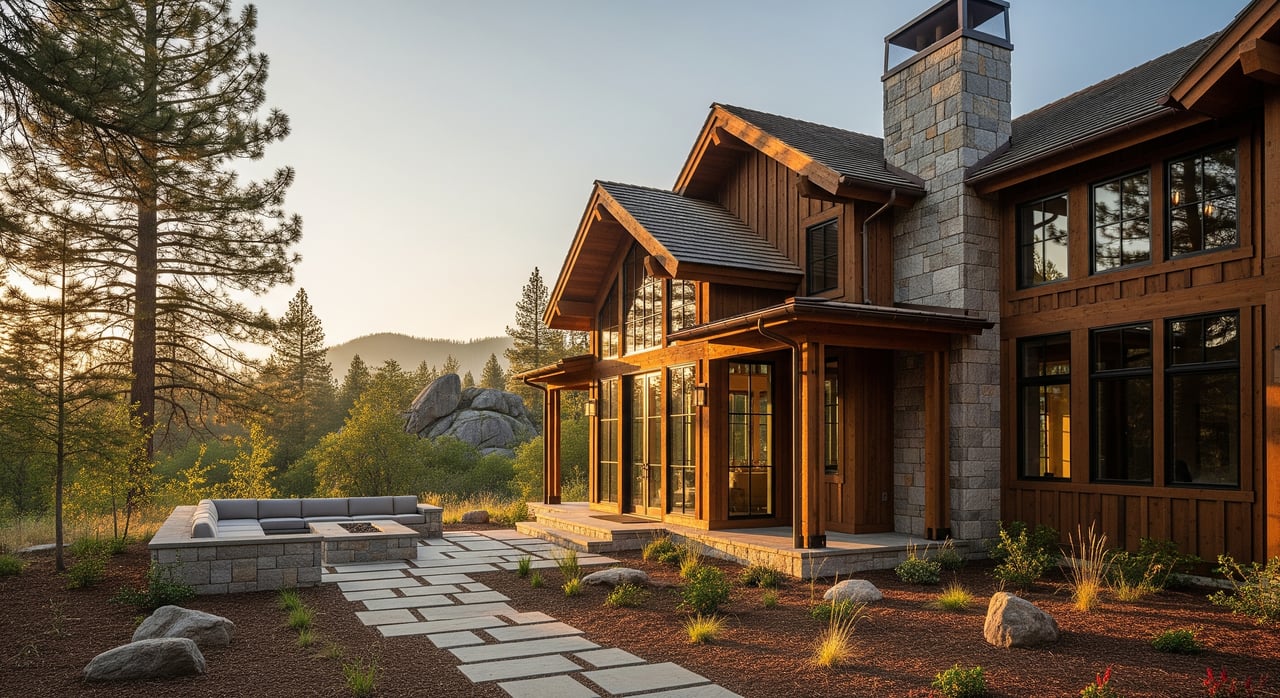
Thinking about selling your Long Barn cabin and wondering how to get every dollar out of it? You are not alone. Buyers love the Sierra lifestyle, but they are careful about mountain-specific details like wells, septic systems, winter access, and wildfire mitigation. In this guide, you will learn exactly where to invest, how to position your property, when to list, and what to prepare so you can sell with confidence and achieve a strong result. Let’s dive in.
Know the Long Barn buyer
Long Barn sits on the western slope of the Sierra Nevada with access to outdoor recreation, including ski days at Dodge Ridge and summers by nearby lakes and trails. Most demand comes from people who value mountain living and easy access to Stanislaus National Forest.
- Second-home buyers want weekend-ready cabins close to recreation.
- Retirees seek low-maintenance comfort and quiet.
- Investors evaluate short-term rental potential where allowed by county or HOA rules.
- Local buyers look for a practical retreat within the region.
Understanding who is shopping helps you highlight the right features and set a price strategy based on real cabin comps from the local MLS.
Fix the fundamentals first
Before you paint a wall or stage a sofa, make sure the core systems are solid. In this market, buyers pay a premium for cabins that feel reliable and safe.
- Well and septic: Confirm both are operational, permitted, and documented. Pre-listing evaluations can reduce risk and remove lending obstacles.
- Roof, foundation, and framing: Address leaks, rot, and structural issues. Visible repairs protect your price.
- Heating, insulation, and ventilation: Provide a dependable heat source and improved insulation to widen your buyer pool.
- Electrical: Ensure safe, up-to-code wiring, especially if prior materials are aged.
When you remove big question marks, you invite stronger offers and fewer repair concessions later.
Prioritize wildfire readiness
Wildfire hardening and defensible space matter to buyers and insurers in the Sierra. Showing clear steps and documentation builds confidence.
- Create defensible space and remove ladder fuels per state guidance.
- Use ember-resistant vents and durable exterior materials when replacing components.
- Keep photos, dates, and receipts for mitigation work to share with buyers and underwriters.
Doing this work signals a safer property and can improve insurance options for your buyer.
Make access and utilities clear
Winter and terrain can make or break showings. Buyers will ask detailed questions about access and services.
- Driveway: Maintain a plowable, graded entrance with room for snow storage and turnarounds.
- Parking: Provide flat, usable spots for guests or recreational vehicles where feasible.
- Utilities: Assemble documentation for electricity, propane compliance, well and septic records, and any shared-road maintenance agreements.
Clean, organized information reduces friction and helps your listing stand out.
Choose smart interior updates
Cabins sell fast when they feel bright, clean, and easy to maintain. Focus on updates with broad appeal.
- Kitchens and baths: Refresh with modern fixtures, counter surfaces, and hardware. Avoid overbuilding for the neighborhood.
- Flooring and paint: Use durable, light finishes to open up smaller spaces.
- Lighting and windows: Maximize natural light; replace fogged panes when practical.
Keep the mountain character while leaning into functional, low-maintenance design.
Showcase outdoor living and views
Your setting is a major value driver. Invite buyers to imagine mornings on the deck and afternoons on nearby trails.
- Maintain decks and railings; stage simple seating with a view focus.
- Use fire-safe landscaping with native plants and rock mulch to balance safety and appeal.
- Highlight storage for gear like skis, paddles, and bikes.
A well-presented outdoor area increases buyer excitement and time on listing pages.
Pricing and timing strategies
Cabin demand often spikes in spring and summer, with another wave in early fall as buyers plan for winter use. Winter showings can still work if access is clear and expectations are set.
- Price using cabin-specific comps from the local MLS that reflect access, views, systems, and lot usability.
- Consider pre-listing inspections and repairs or a targeted repair credit to streamline negotiations.
- If your cabin has short-term rental history, present conservative, verifiable figures and occupancy trends. Confirm local rules before marketing rental potential.
Strategic pricing aligned with seasonality can attract multiple qualified buyers.
Inspections, permits, and disclosures
California sellers must deliver statutory and natural hazard disclosures, along with any known material facts. In many Long Barn locations, fire hazard zones are a key disclosure.
Commonly requested reports and documents include:
- General home inspection and wood-destroying organism report.
- Septic evaluation and pump verification, plus permit history and leach field notes.
- Well inspection and flow or yield documentation.
- Chimney and wood-burning appliance inspection and cleaning.
- Roof condition and leak history.
- Permits for additions, decks, and outbuildings. Disclose any unpermitted work.
- Access easements, road maintenance agreements, HOA obligations, and snow removal responsibilities.
- Short-term rental compliance, licensing, and tax records where applicable.
The more you prepare up front, the smoother your escrow will be.
Insurance and financing realities
Insurance and loan options can influence buyer appetite and timing. Transparency helps everyone plan.
- Insurance: Wildfire exposure affects availability and cost. Buyers prefer properties with clear mitigation and recent improvements. The state’s last-resort plan exists, but many aim for standard carriers.
- Financing: Second-home and investment loans often require larger down payments and stricter ratios. Rural systems like private wells and septic may require documentation to meet lender guidelines.
- Title: Clear access, recorded easements, and removed liens speed closing.
By addressing these points early, you reduce surprises that can weaken your price.
Marketing that wins higher offers
Great marketing turns a solid cabin into a must-see listing. Show the lifestyle and remove barriers for out-of-area buyers.
- Professional photos: Bright, well-lit interior shots and strong exterior images are essential.
- Aerial drone: Show topography, forest proximity, and access.
- Floor plans and 3D tours: Help remote buyers visualize flow and function.
- Lifestyle copy: Emphasize proximity to Dodge Ridge, lakes, trails, and seasonal recreation.
- Targeted outreach: Promote to likely buyer markets within a 2 to 4 hour drive using thoughtful, image-rich campaigns.
- Digital seller packet: Share utility bills, permits, inspection reports, road or HOA documents, and rental history if applicable.
Pro-level presentation and easy access to facts lead to stronger offers with fewer contingencies.
Your pre-listing timeline
Use this simple plan to prepare without rushing.
6 to 8 weeks before listing
- Order a general home inspection and a WDO report; address major items.
- Complete septic and well evaluations and gather permit records.
- Handle deferred maintenance: roof patches, window seals, gutters, chimney sweep, smoke and CO detectors.
- Begin defensible space work and document your efforts with photos and dates.
2 to 4 weeks before listing
- Deep clean and declutter; edit personal items.
- Stage for the mountain lifestyle with simple, cozy touches.
- Book professional photography and schedule drone shots when weather cooperates.
- Assemble your marketing packet with bills, inspections, permits, floor plan, and any verified rental history.
Listing day and active marketing
- Ensure clear driveway and entry; provide winter access notes if relevant.
- Launch targeted online campaigns and virtual tour options.
- Respond quickly to access, utility, and wildfire mitigation questions.
At contract stage
- Deliver all requested documents promptly to maintain momentum.
- Consider a pre-closing home warranty or a focused seller credit for small known issues.
Prepare for common buyer questions
Having answers and documents ready helps buyers move fast and pay more for certainty.
- Well depth and flow history with a recent test if available.
- Septic pump date, inspection results, and permit history.
- Roof age and repair receipts.
- Permit records for additions or decks, or clear disclosure of unpermitted work.
- Typical utility costs, winter heating, and snow removal details.
- Fire hazard zone information and a list of mitigation steps completed.
- HOA or road maintenance agreement documents and contact information.
- Verified short-term rental income and expenses, if marketed, along with compliance records.
Partner with a local, broker-led team
Selling a Long Barn cabin for top dollar takes mountain-specific expertise and a clear plan. You need a team that understands wells and septic, winter access, local fire considerations, and how to market the Sierra lifestyle to the right buyer groups. If you want hands-on guidance from preparation through closing, reach out to Healy Homes, Inc. for a free, data-backed valuation and a custom plan for your cabin.
FAQs
What upgrades deliver the best return when selling a Long Barn cabin?
- Focus on core systems first, then modest kitchen and bath refreshes, bright paint and flooring, and practical lighting improvements.
How should I handle wildfire risks before listing a Long Barn cabin?
- Create defensible space, add ember-resistant components where feasible, and keep documentation of all mitigation work to share with buyers and insurers.
When is the best time to list a Long Barn cabin for top dollar?
- Spring and summer often bring strong recreation-driven demand, with early fall also active as buyers plan for winter use.
What inspections should I complete before listing a Long Barn cabin?
- Order a general home inspection and WDO report, plus septic and well evaluations, chimney and roof checks, and gather permit and access records.
Can I advertise short-term rental income when selling a Long Barn cabin?
- Yes, if allowed, present conservative, verified income and occupancy data and confirm compliance with county or HOA rules before marketing it.
How can I reduce insurance concerns for buyers of my Long Barn cabin?
- Document wildfire mitigation, recent home-hardening improvements, and current coverage details to help buyers secure quotes and plan premiums.