Thinking about buying a home along Tuolumne Road North? You likely want room to breathe, trees out your window, and a base that still keeps you connected to Sonora and Twain Harte. The key is knowing how mountain living works here: wells and septic, seasonal access, fire insurance, and what inspections protect you most. In this guide, you’ll learn what to expect from the corridor, how utilities and services work, and a simple checklist to buy with confidence. Let’s dive in.
Tuolumne Road North at a glance
Tuolumne Road North is a county corridor that links neighborhoods between Tuolumne City and State Route 108. The county classifies the Ponderosa Way to SR 108 stretch as a Rural Major Collector and documents planned repair work, so pavement quality varies by segment and season. You can review the county’s pavement planning to understand where chip seal or overlay projects are scheduled and how that might affect your daily drive (county pavement plan).
From this corridor, most errands, medical appointments, and larger shopping trips route to Sonora or Twain Harte. The distance to Sonora is roughly 9 to 10 miles, and under normal conditions many residents report a 15 to 20 minute drive. Winter storms and active road work can slow travel, so build a little buffer into your schedule.
What homes and lots look like
You’ll see a wide mix of property types along this stretch. Many parcels are about 0.5 to 2 acres, with some larger contiguous pieces. Subdivisions like Deer Valley Estates and Ponderosa Hills offer examples of how the land is divided, but you’ll also find standalone rural parcels.
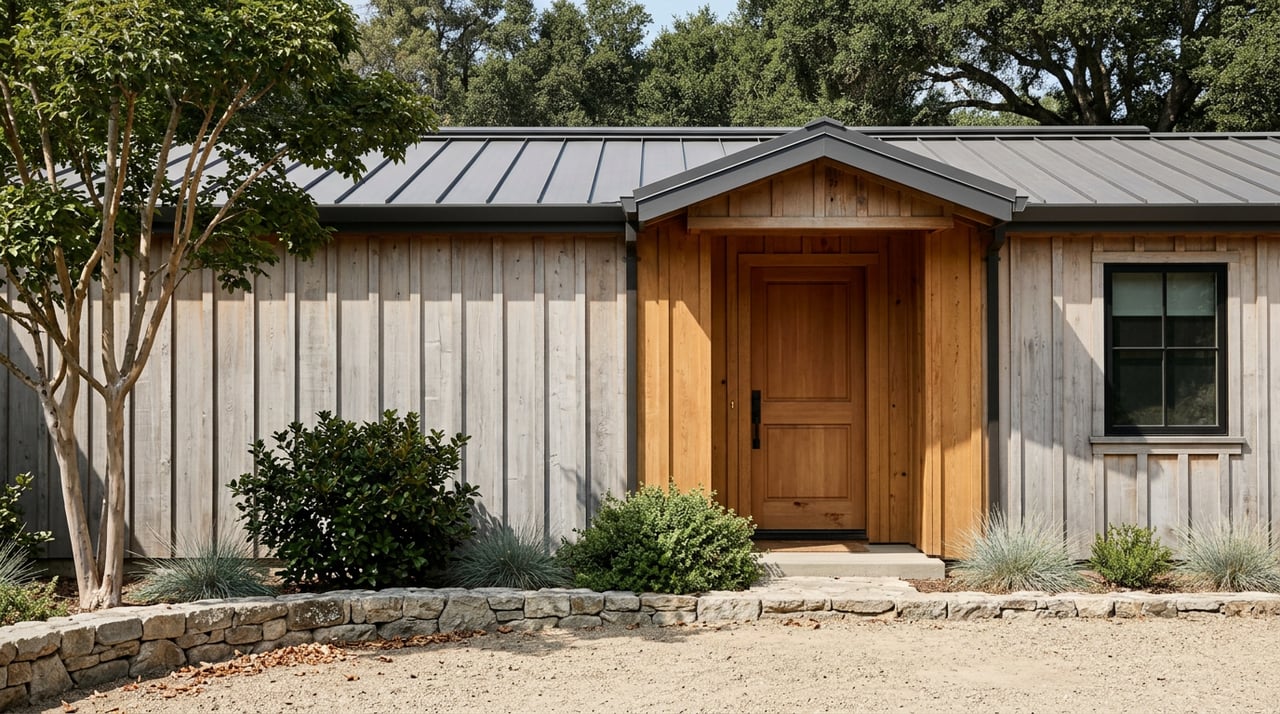
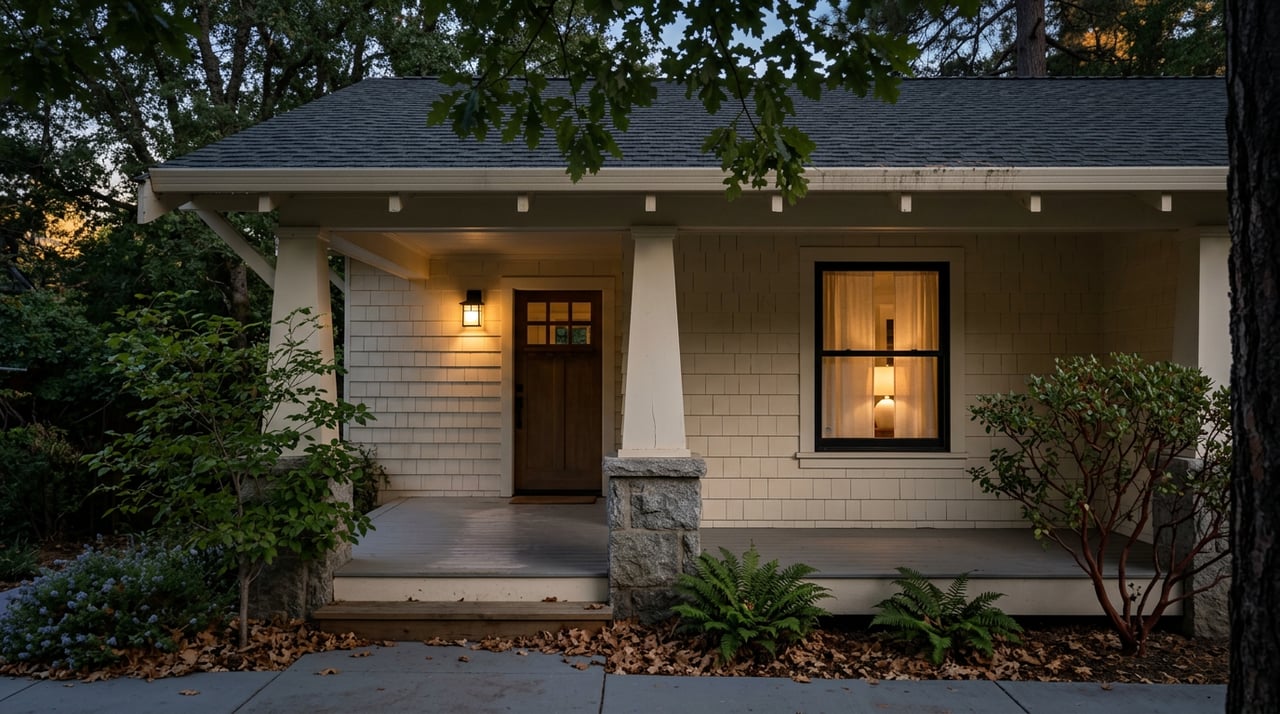
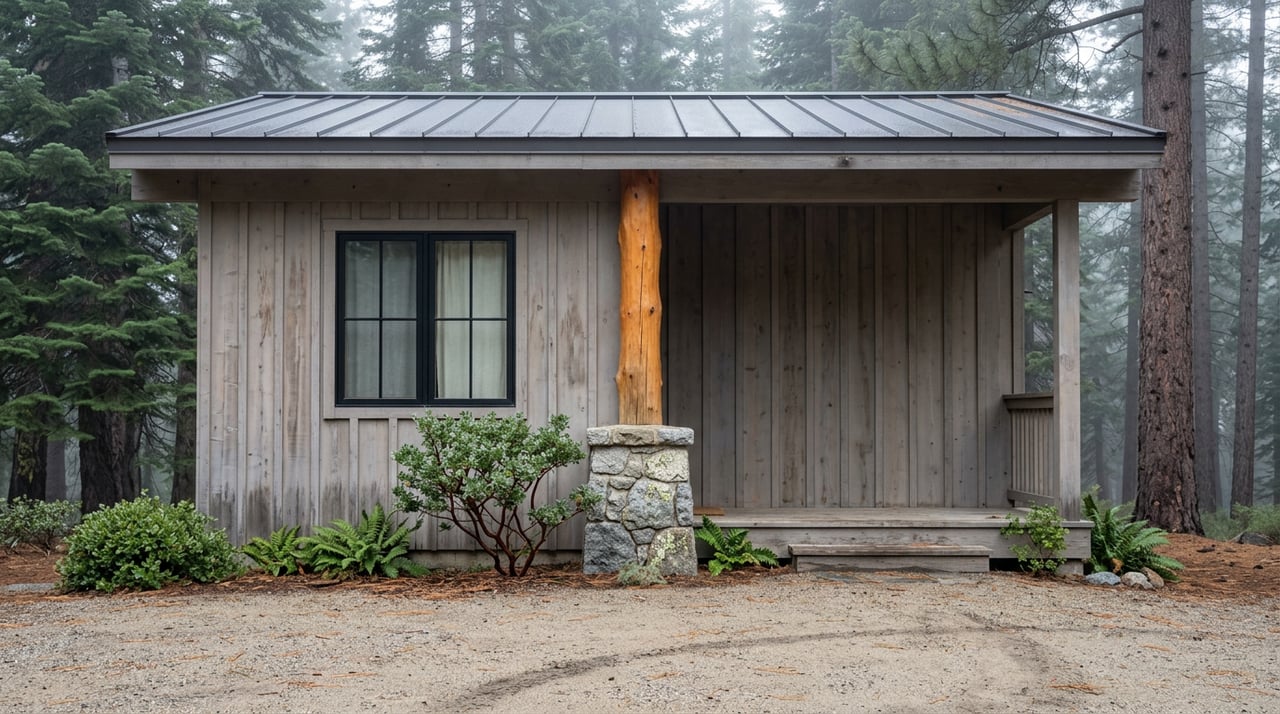
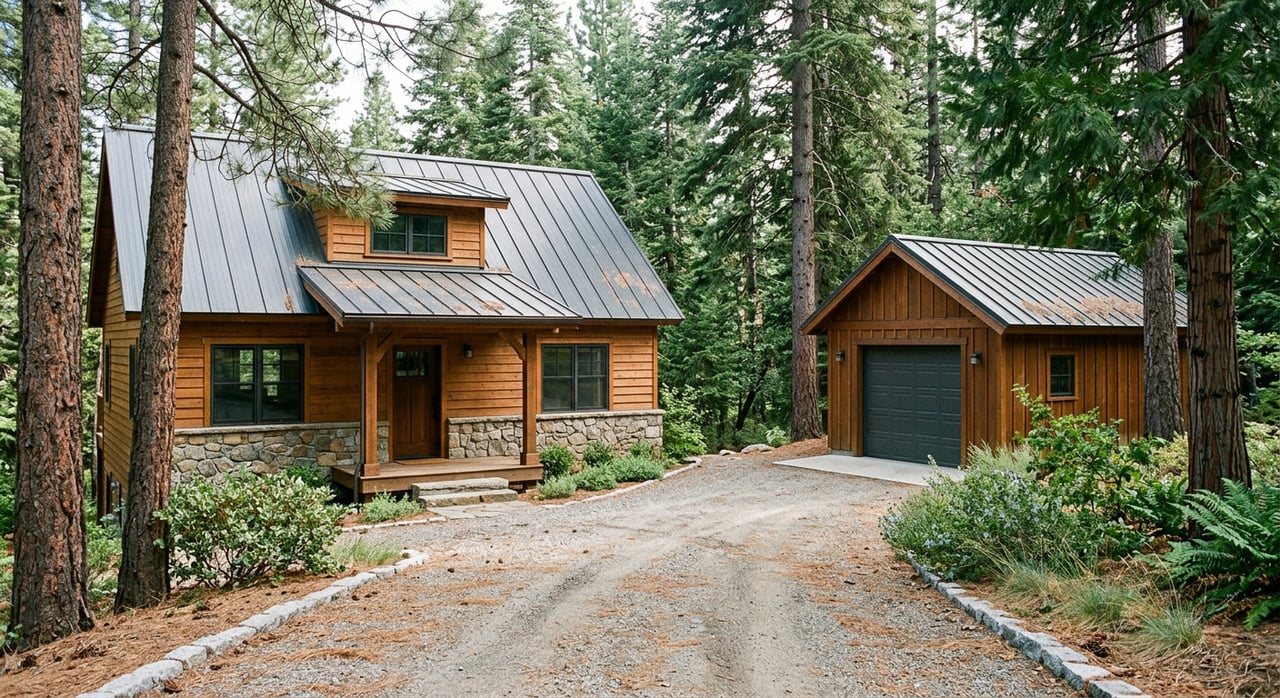
Home styles range from single-story ranch homes and custom cabins to manufactured homes on pads. Many properties include sheds, workshops, or small barns. It’s also common to find private wells, septic systems, propane tanks, wood stoves, and unpaved side drives. Because ages and build methods vary, always plan for careful inspection of foundations, systems, and permit histories.
Services and utilities to expect
Most homes here are not on municipal water or sewer. Instead, private wells and on-site wastewater (septic) systems are common. Tuolumne County Environmental Health oversees septic permitting and maintenance guidance, and it is a helpful first stop when you want to verify records or plan service schedules (county onsite wastewater program). For wells, the county requires permits and well completion reports that document depth and construction details (well ordinance).
Some parcels closer to Sonora may fall within Tuolumne Utilities District boundaries. Service lines shift across the foothills, so confirm water and wastewater boundaries by checking directly with the district before you rely on an assumption (Tuolumne Utilities District).
Electricity is provided by PG&E. In this region, both unplanned outages and PSPS (public safety power shutoffs) do occur during wind or fire weather. If a home relies on an electric well pump or septic components, you should think through backup power options and ask sellers about outage history (regional outage coverage).
Broadband and cellular service vary by address because terrain and trees affect line-of-sight. Speeds and providers can change from one ridge to the next. Plan to run address-level checks early so your work and streaming needs are covered.
Top inspections and contingencies
Buying here is about smart due diligence. Focus these items in your contingency period so you can move forward with confidence.
Septic system
Ask the seller for the septic permit and any as-built drawings. For homes built after 1995, the county often has as-built plans on file that show the tank, drainfield, and reserve area. If drawings are missing, assume an older or undocumented system and schedule a licensed inspection or OM&M evaluation. The county provides guidance on maintenance and owner responsibilities (onsite wastewater guidance).
Common contingency: require a septic inspection (often with pumping as needed), time to review county records, and the right to cancel or renegotiate if the system is failing or not permitted.
Private well and water quality
Request the well permit and the well completion report. Order a professional flow or yield test and a certified lab water test at minimum for total coliform, E. coli, and nitrate. The EPA recommends annual baseline testing for private wells, which is a good standard to follow here (EPA private well guidance).
Common contingency: include a well and water-quality contingency that sets minimum acceptable yields and requires certified lab results. If results do not meet your standards, retain the right to cancel or renegotiate.
Permit history and outbuildings
Workshops, additions, and larger outbuildings should have county permits where required. Ask for a building-permit history and compare it to what you see on site. The Tuolumne County Building and Safety Division is your source for forms and records (Building and Safety permits).
Wildfire risk, defensible space, and insurance
Check the property’s fire hazard severity zone using state mapping, then review local planning materials to understand defensible-space expectations and mitigation strategies. The county Fire Safe Council’s community wildfire plan is a great starting point to learn local priorities and programs (county wildfire plan overview). You can also consult the state’s Fire Hazard Severity Zone dataset for a parcel-level view to inform your insurance quotes and hardening plans (CAL FIRE FHSZ dataset).
Practical questions: What roof type is installed? What vegetation management has been done? Has the seller completed any insurer-required upgrades or received a mitigation certificate? Start insurance conversations early.
Power continuity
Because outages and PSPS events occur, confirm how critical systems will operate when the grid is down. If the home relies on an electric well pump and there is no generator, budget for a portable or standby generator and compatible transfer equipment.
Road access and winter
Confirm whether the home sits on a county-maintained road, a County Service Area road, or a private road. Maintenance, plowing, and shared costs can differ, so you will want those details in writing. The county’s FAQs and maps can help clarify road and CSA questions (county FAQs).
Slope, drainage, and soils
If the lot includes steeper sections, visible erosion, or past retaining work, ask your agent whether a geotechnical opinion is wise. In some cases, the county may have previous studies on file tied to permits for that parcel.
A simple three-step buyer checklist
Use this short plan during your contingency window.
- Verify records with the county
- Request septic permits and as-built drawings from Environmental Health.
- Pull the well permit and well completion report to confirm depth and construction.
- Ask Building and Safety for permits on additions and outbuildings.
- Order priority inspections and tests
- Schedule a septic inspection and, if needed, pumping.
- Order a well flow test and certified lab water testing for coliform, E. coli, and nitrate (the EPA baseline).
- Add inspections as needed for roofs, chimneys, drainage, and structural concerns.
- Confirm insurance and access early
- Get fire insurance quotes, note required mitigation, and plan defensible space.
- Check road maintenance status, winter plowing, and any shared agreements.
- Ask about power outage history and plan for backup power if the home uses an electric well pump.
Daily life on the corridor
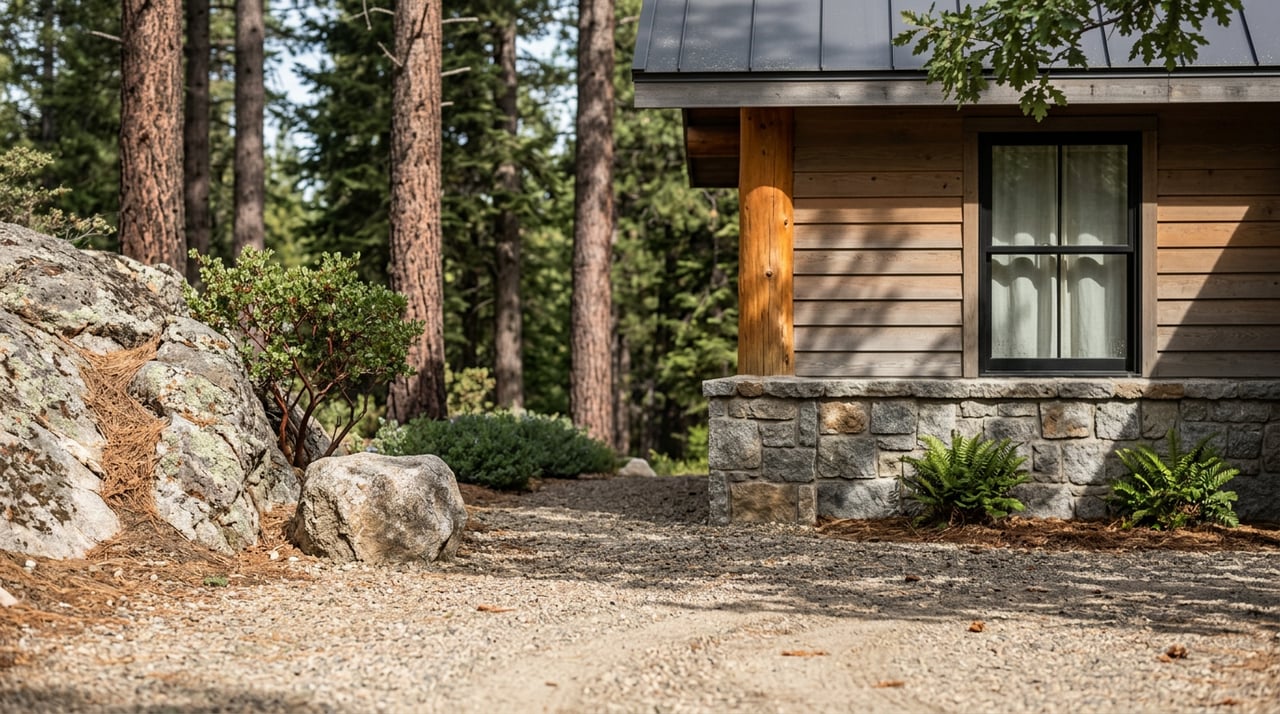
Life here reads semi-rural and practical. Many homes sit among pines with space for gardens, workshops, and trailers. You will rely on Sonora or Twain Harte for major groceries, medical visits, and hardware runs, so plan errands around a 15 to 20 minute drive.
For nearby conveniences, Black Oak Casino Resort is a prominent anchor along Tuolumne Road North and often serves as a local meet-up point for dining, entertainment, and visitor stays. Bear Creek Station is a common fuel and provisions stop. Expect quieter evenings, a starry sky, and seasonal routines like leaf cleanup, chimney maintenance, and checking generator fuel.
How Healy Homes helps you buy here
Buying along Tuolumne Road North rewards careful planning. You want a partner who knows which records to pull and which specialists to call so your escrow moves smoothly. As a boutique, broker-led team focused on Tuolumne County, we help you:
- Pull Environmental Health records early and explain what they mean.
- Coordinate septic inspections, well flow testing, and certified water tests within your contingency timelines.
- Review permit histories and flag unpermitted work before it becomes a problem.
- Advise on fire hardening, defensible space, and timing for insurance quotes.
- Confirm road status and winter access so you know how you will get in and out year-round.
If you are ready to explore homes along Tuolumne Road North, we are here to guide you with local context and clear next steps. Reach out to Healy Homes, Inc. to start your search or to talk through a specific property.
Local resources
- County pavement planning for Tuolumne Road North: corridor repair plan
- Septic systems and owner guidance: onsite wastewater program
- Well construction rules and reports: county well ordinance
- Building and Safety permits: permit information
- Water and wastewater service boundaries: Tuolumne Utilities District
- Wildfire planning and mitigation: county wildfire plan overview
- State hazard mapping: CAL FIRE FHSZ dataset
- Private well best practices: EPA guidance
- County FAQs (roads, CSAs, records): general FAQs
- Regional outage context: news coverage of PG&E outages
FAQs
What is Tuolumne Road North and where is it?
- It is a county corridor that connects neighborhoods between Tuolumne City and State Route 108, with segments identified for pavement repairs in the county’s planning documents.
Are most homes on wells and septic along this corridor?
- Yes. Many properties use private wells and on-site septic rather than municipal systems. Confirm records with Tuolumne County Environmental Health and test water quality during escrow.
How long is the drive from Tuolumne Road North to Sonora?
- Under typical conditions, the 9 to 10 mile drive often takes about 15 to 20 minutes. Winter storms and road work can add time, so plan accordingly.
What inspections should I prioritize when buying here?
- Focus on septic inspection and records review, a well flow test and certified water lab test, permit-history checks for outbuildings, and early fire insurance and defensible-space planning.
How do PSPS events affect homes with wells in Tuolumne City?
- If a home uses an electric well pump, water service can pause during outages. Many buyers plan for a portable or standby generator and a safe transfer setup.
Can I get fire insurance for a home along Tuolumne Road North?
- Availability and pricing vary by address and mitigation. Check the state’s hazard maps, review local wildfire planning materials, and contact insurers early to confirm options and any required hardening.