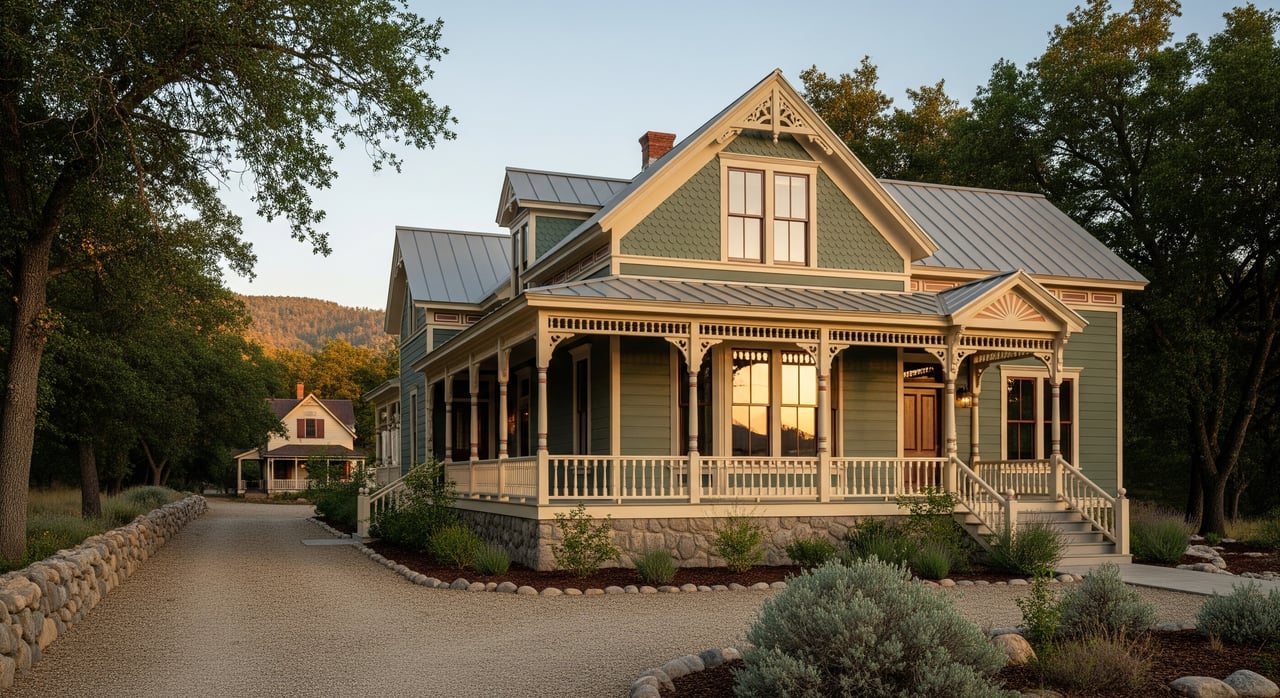
What is my Sonora home really worth right now? If you have asked yourself that, you are not alone. Pricing in Tuolumne County’s foothills is different from big-city markets. Lot size, wells and septic, wildfire risk, and even winter access can all move the needle. In this guide, you will see exactly how we build a data-backed Comparable Market Analysis, or CMA, for Sonora and how local comps turn into a smart list price and strategy. Let’s dive in.
Comps vs appraisal: what to know
A comparable sale, or “comp,” is a recently sold home that is similar enough to yours to help estimate market value. A CMA is our process of gathering several comps and adjusting for differences to recommend a list price and pricing strategy.
A CMA is not an appraisal. Here is how they differ:
- CMA: Prepared by a real estate agent. Uses recent closed sales plus active, pending, and expired listings to set a recommended list price and strategy. Useful for sellers and buyers, but not used for mortgage underwriting.
- Appraisal: Performed by a licensed appraiser who follows specific standards. Lenders use appraisals to determine loan collateral value.
A complete CMA includes your property facts, the 3 to 8 best closed comps, nearby actives and pendings for context, a pricing range, and a strategy that fits your goals.
How we build your Sonora CMA
1) Confirm your goals and property facts
We start by clarifying your objective. Do you want a quick sale or to maximize price? Then we confirm the facts: square footage, beds and baths, lot size and topography, year built, condition and updates, utilities and permits, access, and any fire mitigation steps. Details like a permitted ADU, a new roof, or recent septic work help us dial in adjustments.
2) Gather recent sales and market context
We pull the strongest closed sales first. In an active market, we prefer the last 3 to 6 months. In slower or rural segments, we may extend to 12 months when needed. We also review current competing listings, pending sales, and recent expired or withdrawn listings to see where buyers are active and where pricing hit resistance.
3) Select the best comps in the right order
In Sonora, the right comps matter more than the most comps. Our priority is:
- Property type match, usually single-family detached.
- Location and proximity. For rural acreage, similarity of parcel size, access, and topography can matter more than straight-line distance.
- Lot size and use, including views or water features.
- Age and condition relative to yours.
- Utilities and legal status. Sewer versus septic and permitted versus unpermitted work.
- Size, bed and bath count, garages or carports, and any ADUs or outbuildings.
- Recency of sale. More recent sales carry more weight.
Local factors that change value in Sonora
Sonora is a Sierra Foothills community with varied housing and terrain. The following local factors often drive bigger adjustments than you see in urban markets:
- Property mix and topography. Historic downtown homes, rural ranch properties, sloped lots, and second-home cabins are common. Lot usability can matter as much as square footage.
- Utilities and services. Many homes run on well and septic. Buyers often value municipal water and sewer access differently, which affects the buyer pool and pricing.
- Wildfire risk and hardening. Defensible space, ember-resistant upgrades, and recent mitigation can improve appeal.
- Access and roads. Steep grades, long driveways, or unpaved roads can limit buyer interest, especially for winter accessibility.
- Historic and zoning considerations. Older homes near downtown may have unique features and constraints that influence marketability.
- Seasonal demand. Tourism and second-home interest can create seasonal swings. Timing your list date can matter.
- Neighborhood amenities. Proximity to downtown Sonora, Highway 49, Yosemite-access routes, and essential services influences how buyers compare homes.
How we adjust comps in Sonora
Price per square foot is a starting reference, not a rule. In Sonora, lot, utilities, and condition can dominate the value conversation. We document every adjustment and why it applies.
Quantitative adjustments
- Gross living area. We analyze the local price per square foot pattern across your best comps to set a reasonable adjustment for size differences.
- Condition and updates. We adjust for cosmetic versus full remodels. The range can be material, so we anchor it to similar closed sales.
- Lot size and acreage. We use tiered adjustments, since the first acre often carries a different value than additional acres.
- Utilities. Homes on municipal water and sewer may attract a broader buyer pool. Septic and well can bring maintenance and financing considerations, which we reflect in adjustments.
- Views, privacy, and outdoor living. Meaningful views or private settings often deserve a premium, which we support with examples.
- Parking and outbuildings. Garages, shops, barns, and ADUs add value. We consider local buyer demand and replacement or market value.
Qualitative adjustments and notes
- Wildfire readiness. We factor in defensible space and recent fire-hardening work. Buyers are asking more questions about risk and insurance.
- Access and winter conditions. Year-round paved access can be a plus. Steep or unpaved approaches may require a discount to align with buyer expectations.
- Permits and code. Permitted improvements are generally easier to finance and insure. Unpermitted work can reduce the buyer pool and may lower value.
From value range to pricing strategy
After adjustments, we reconcile to a value range: low, most probable, and high. Then we align price with your goals and the current market backdrop.
- Aggressive strategy. Targets the upper end when condition and comps support it and competition is limited. Expect a longer Days on Market if buyers need time to stretch.
- Market strategy. Prices near the most probable value to maximize showings and solid offers within a typical timeline.
- Conservative strategy. Lists slightly below the middle of the range to spark activity quickly when time is critical.
We watch list-to-sale price ratios, median Days on Market for your property type, and competing inventory to set expectations and contingency plans if activity falls short.
When comps are scarce
In Sonora, unique properties and thin sales volume can mean small sample sizes. Here is how we handle it:
- Expand the time window. We may use up to 12 months of sales and clearly note market changes over that period.
- Use pending and active listings. They help define current price bands and buyer competition.
- Widen the search area with care. For acreage or cabins, we prioritize similarities in lot, access, and utilities over distance.
- Document larger adjustments. We explain the tradeoffs so you can see how each difference influenced the reconciled value.
What you can do before listing
You can help your pricing case by addressing key items up front.
- Verify permits and records. Gather permits for additions, decks, ADUs, and major systems.
- Tackle maintenance. Roof, HVAC, septic, and well status matter to buyers. Pre-listing checks reduce surprises.
- Improve wildfire readiness. Create defensible space and note any hardening improvements.
- Smooth the approach. Grade or repair access where reasonable and safe.
- Refresh condition. Thoughtful repairs and staging can lower negative condition adjustments and help photos shine.
Appraisals and lender concerns
If your buyer is financing, the appraiser will rely on closed comps and lender-approved adjustments. In a thin market, the appraiser may use older sales or a larger radius and will justify those choices. If we price above recent closed comps, we prepare for potential appraisal gaps by documenting improvements, utilities, access, and any unique features that recent sales may not capture. Transparent CMA work reduces surprises later.
Our Sonora CMA checklist
- Confirm your property facts, permits, utilities, access, and fire mitigation.
- Pull all closed sales in the past 3 to 12 months that fit your property type.
- Review active, pending, and expired or withdrawn listings for competition and price resistance.
- Verify comp details against county records and available permits.
- Photograph your home and key comps to compare condition.
- Calculate unadjusted price per square foot to see the local pattern.
- Make clear adjustments for size, lot, condition, utilities, views, parking, and ADUs, with written rationale.
- Reconcile to a probable value range that reflects your goals.
- Present 1 to 3 pricing strategies with expected timelines and outcomes.
- Agree on a plan if showings or offers miss the mark within a set period.
Ready to see where your home fits in today’s Sonora market? Get a transparent, local CMA tailored to your goals with Healy Homes, Inc.
FAQs
What is a CMA for a Sonora home?
- A CMA is a data-backed estimate of value based on recent local sales, plus adjustments for differences like lot, utilities, access, and condition.
How do comps differ from an appraisal in Tuolumne County?
- A CMA guides your list price and strategy, while an appraisal is performed by a licensed appraiser for a lender’s underwriting decision.
How far back do you look for Sonora comps?
- We prefer 3 to 6 months in active segments and may extend to 12 months in slower or rural areas, with clear notes on any adjustments.
Will a septic and well setup affect my price?
- It can. Many buyers weigh maintenance and financing considerations differently for septic and well, which can impact value relative to municipal utilities.
How do wildfire risk and mitigation affect pricing?
- Homes with defensible space and fire-hardening steps often see stronger buyer interest, while higher perceived risk can require a pricing adjustment.
What if my Sonora property is unique and there are few comps?
- We expand time and geography carefully, add pendings and actives for context, and document larger, transparent adjustments to support the price.
Can repairs or staging change the comp adjustments?
- Yes. Improved condition can reduce negative adjustments and sometimes justify pricing near the top of your value range.